Mastering the Art of Hand Embroidery
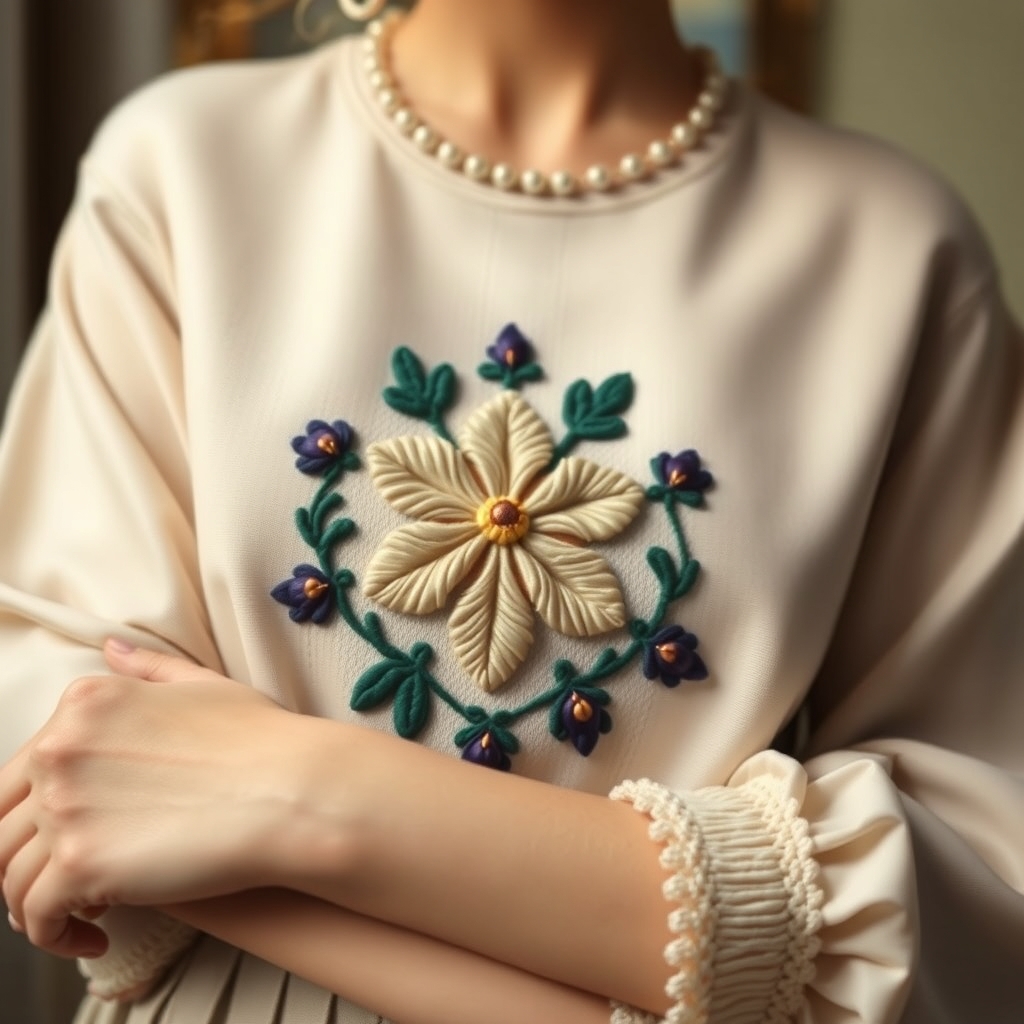
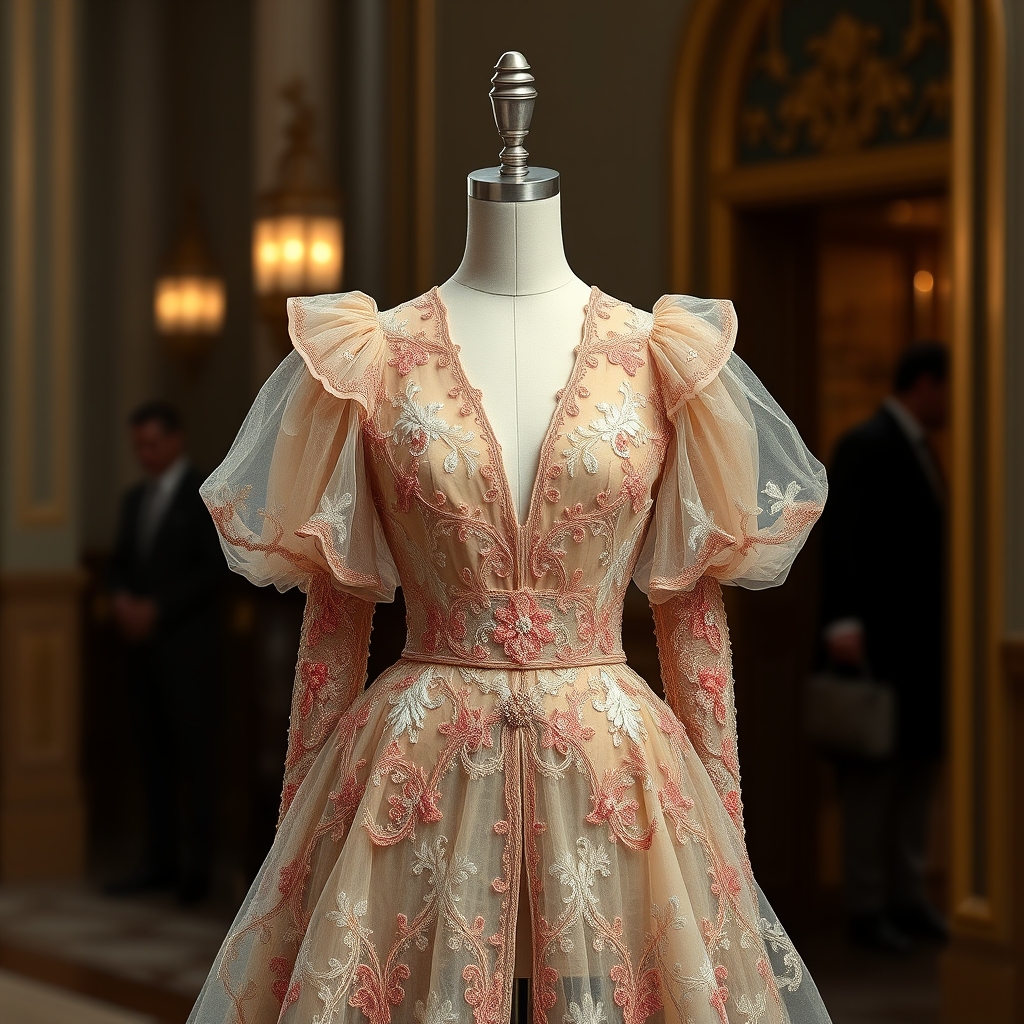
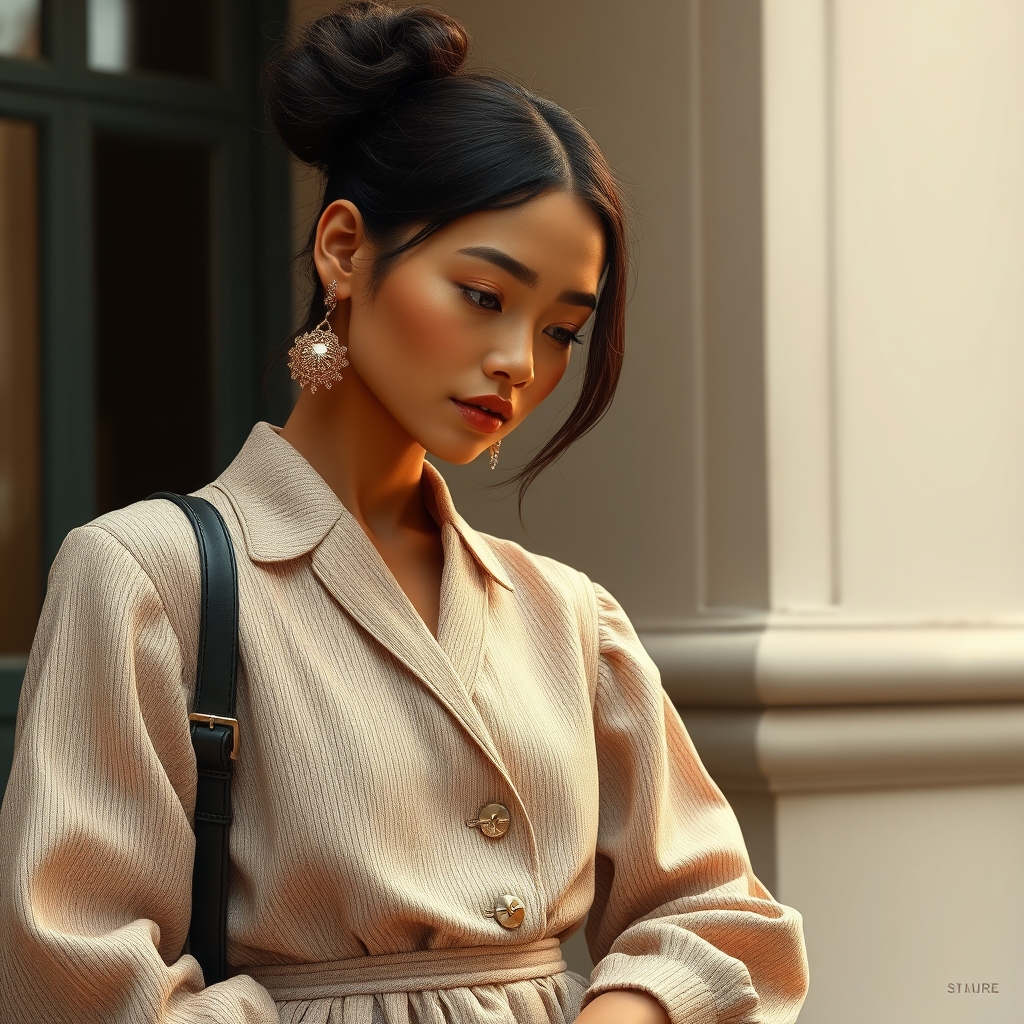
Hand embroidery is a cornerstone of haute couture, transforming fabric into a canvas of intricate artistry. The process, requiring skill beyond mere sewing, involves meticulously stitching designs on garments, often taking days or even weeks to complete just a small section. Couture houses like Chanel and Christian Dior have mastered this craft, making it a distinctive feature of their collections. As someone who’s dabbled in embroidery, I can attest to the level of patience and precision it demands. Each stitch has a purpose, contributing to the overall tapestry of a design. This technique not only adds texture and dimension but also tells a story unique to each piece. It's fascinating how such detailed work influences everyday fashion. High-street brands incorporate simplified embroidery to replicate couture’s desirability. While fast fashion may lack the depth of couture's handwork, it bridges the gap between high fashion and accessibility. The challenge often faced is maintaining the integrity of designs when scaled for mass production. Yet, the echo of couture’s intricacy is evident in high-street collections, offering a taste of luxury's aesthetic. Inviting this touch of elegance into everyday wear underscores haute couture’s enduring impact on fashion culture.
The Legacy of Iconic Couture Houses
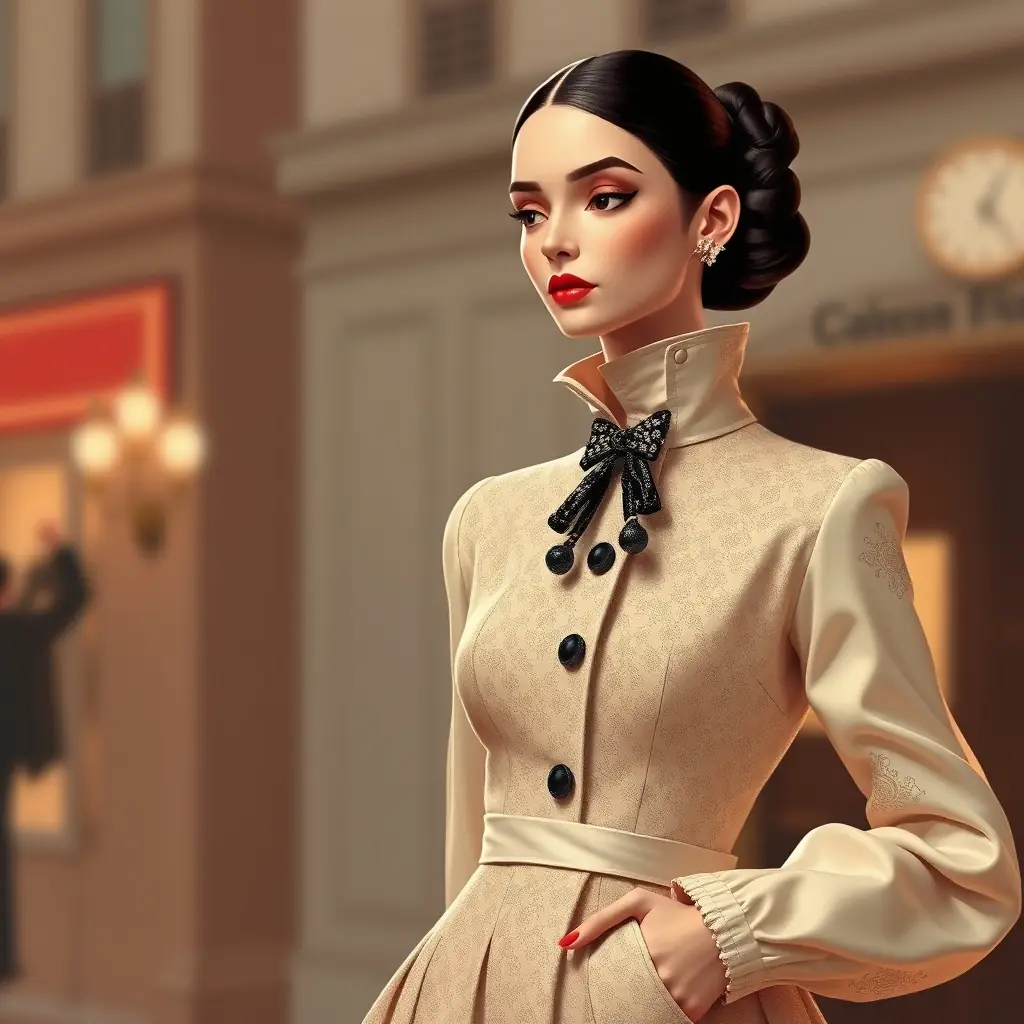
Couture houses such as Givenchy, Balenciaga, and Valentino have left indelible marks on the fashion world. They're not just brands; they're institutions that have shaped modern style. Understanding their history gives insight into how fashion evolved into an influential art form. For instance, Givenchy was a pioneer of ready-to-wear lines, bringing couture-like elegance to a broader audience. My appreciation deepened when I learned about Cristóbal Balenciaga’s mastery in silhouette design. His background in tailoring allowed him to construct garments that highlighted architectural shapes not commonly seen in fashion. Meanwhile, Valentino brought Italian flair to haute couture, infusing vibrancy within traditional French techniques. As a fashion enthusiast, exploring these legacies is like opening a window to innovative thought processes in design. It’s intriguing to see how their foundational work continues to inspire contemporary designers. The couture ethos of craftsmanship and creativity permeates modern fashion trends, encouraging designers to thoughtfully integrate luxury elements into their own creations. Ultimately, these iconic houses impel the industry forward, illustrating how historical precedents inform the present and continue to inspire the future of fashion.
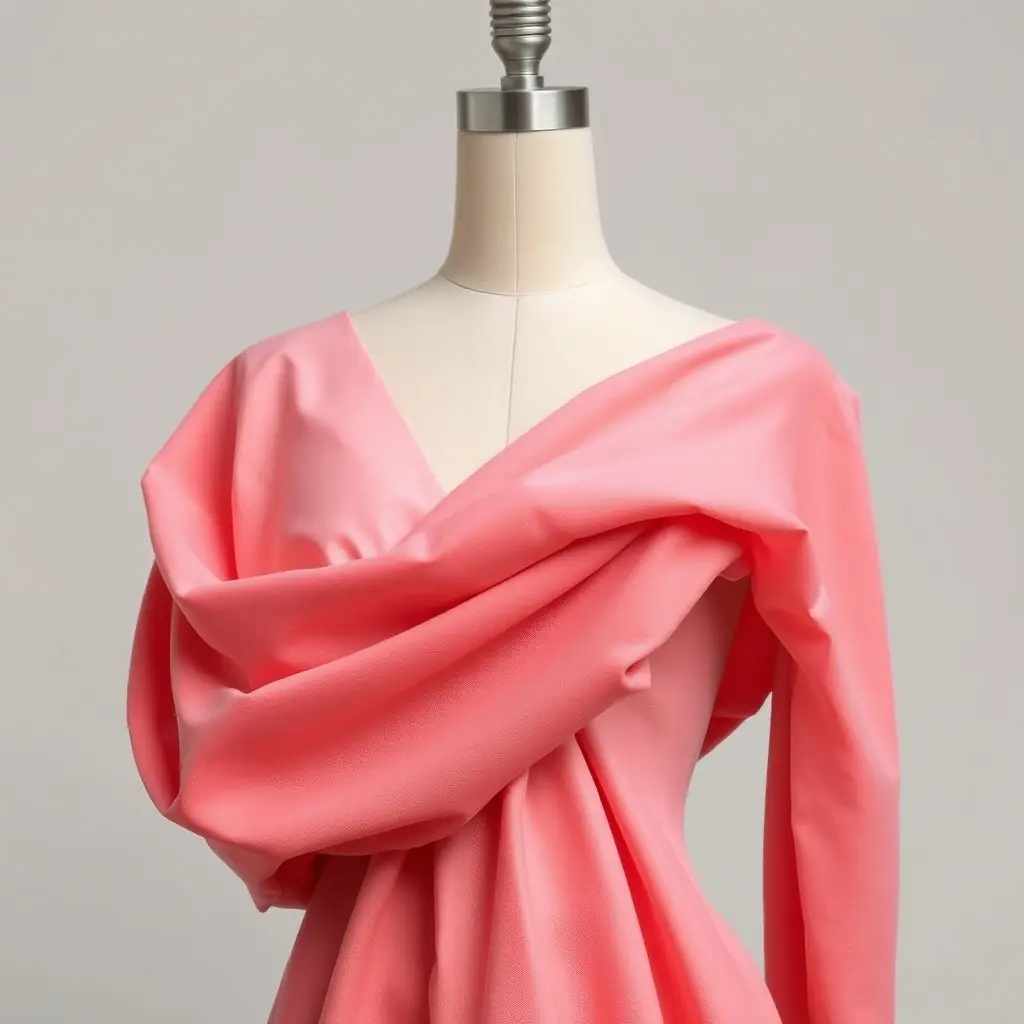
Draping: The Sculptor’s Approach to Fabric
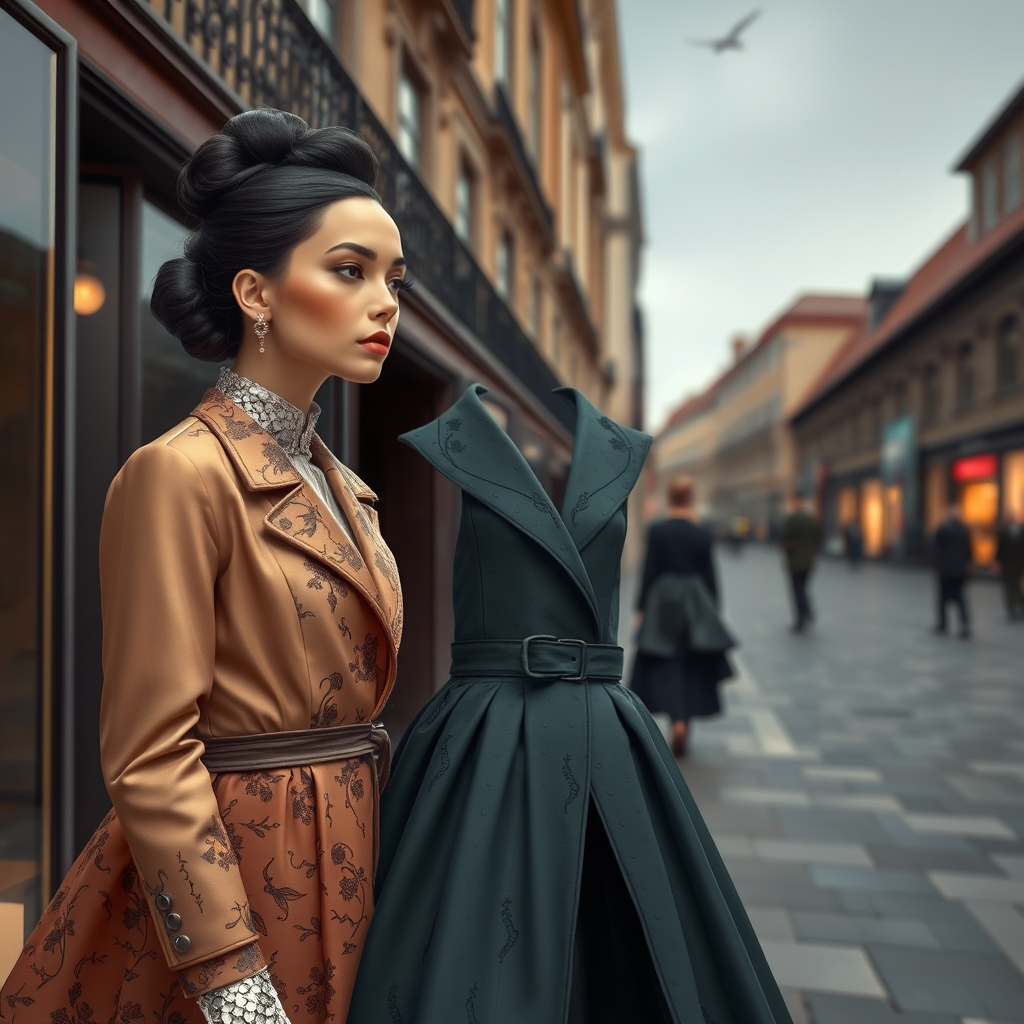
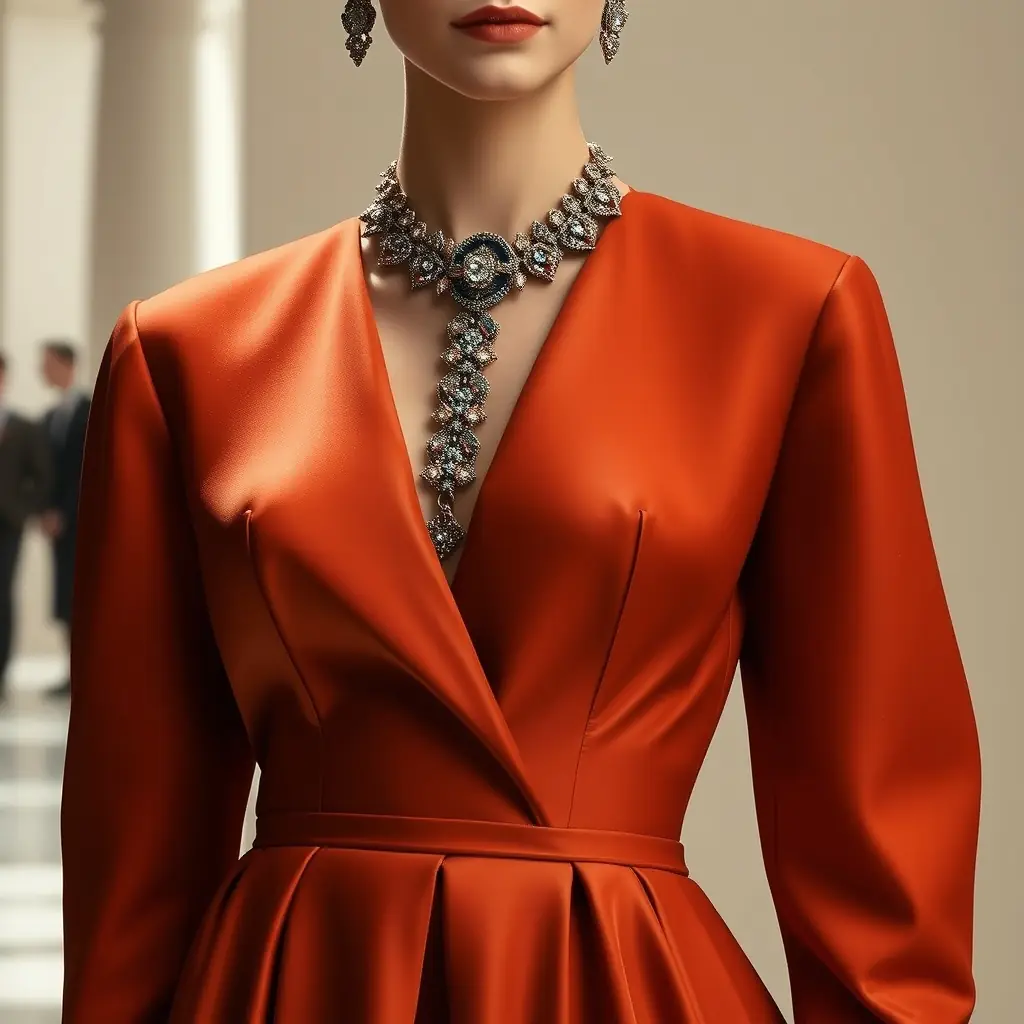
Draping is a haute couture technique that elevates fabric into wearable art, marrying skill with a sculptor’s eye for form. This method involves working with fabric directly on a dress form or model, allowing the designer to play freely with shape and volume. During my fashion studies, experimenting with draping was a revelation—it encourages spontaneity, turning preconceived plans on their head. The likes of Madeleine Vionnet are celebrated for pioneering bias-cut draping, which offers a natural flow and movement in garments. Each fold and pleat is meticulously considered, transforming simple cloth into dynamic attire. Although draping is inherently labor-intensive, its influence on mass-market brands is undeniable. You’ll notice echoes of couture’s fluidity in high-street collections—where soft, flowing garments mimic the unstructured elegance of draped gowns. However, this adaptation often faces the challenge of retaining quality and appearance at a lower cost. Nevertheless, draping offers a lesson in the interplay between fabric and form, teaching that fashion is not only about clothing but also about artistic expression embodied in tangible form. It’s a timeless technique that influences how we view and wear fashion today, blending creativity with legacy.