The Art of Draping: Shaping Elegance
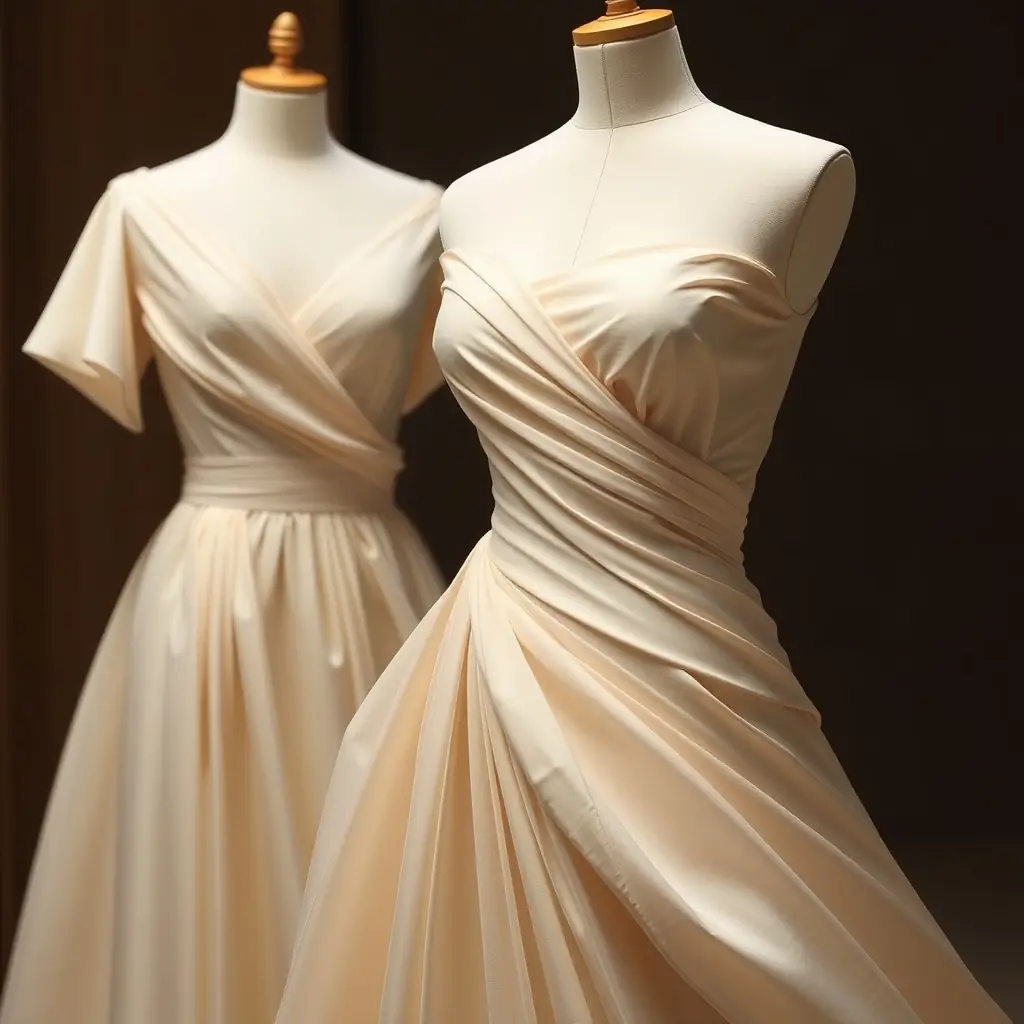
Draping isn't just about fabric—it's about sculpting cloth into wearable art. One of the most essential techniques in haute couture, draping relies on the ability to manipulate fabric directly on a mannequin to see how it falls and flows. This method draws designers into an intimate conversation with the material, responding to its natural properties like weight and transparency. Consider Madeleine Vionnet, whose bias-cut gowns revolutionized how we perceive movement in fabric, creating fluid dresses that glide with the wearer. The process involves meticulously pinning and folding fabric, transforming two-dimensional cloth into a three-dimensional form that fits like a second skin. Mistakes reveal themselves only once every piece is in place, making draping both an art and a puzzle. For the everyday fashion enthusiast, understanding draping offers a deeper appreciation of how form and function combine to create iconic silhouettes, from the classic Grecian gown to modern masterpieces. In a world of mass production, draping remains the hallmark of custom luxury, where each garment is unique and tells its own story.
Hand Embroidery: Detailing History
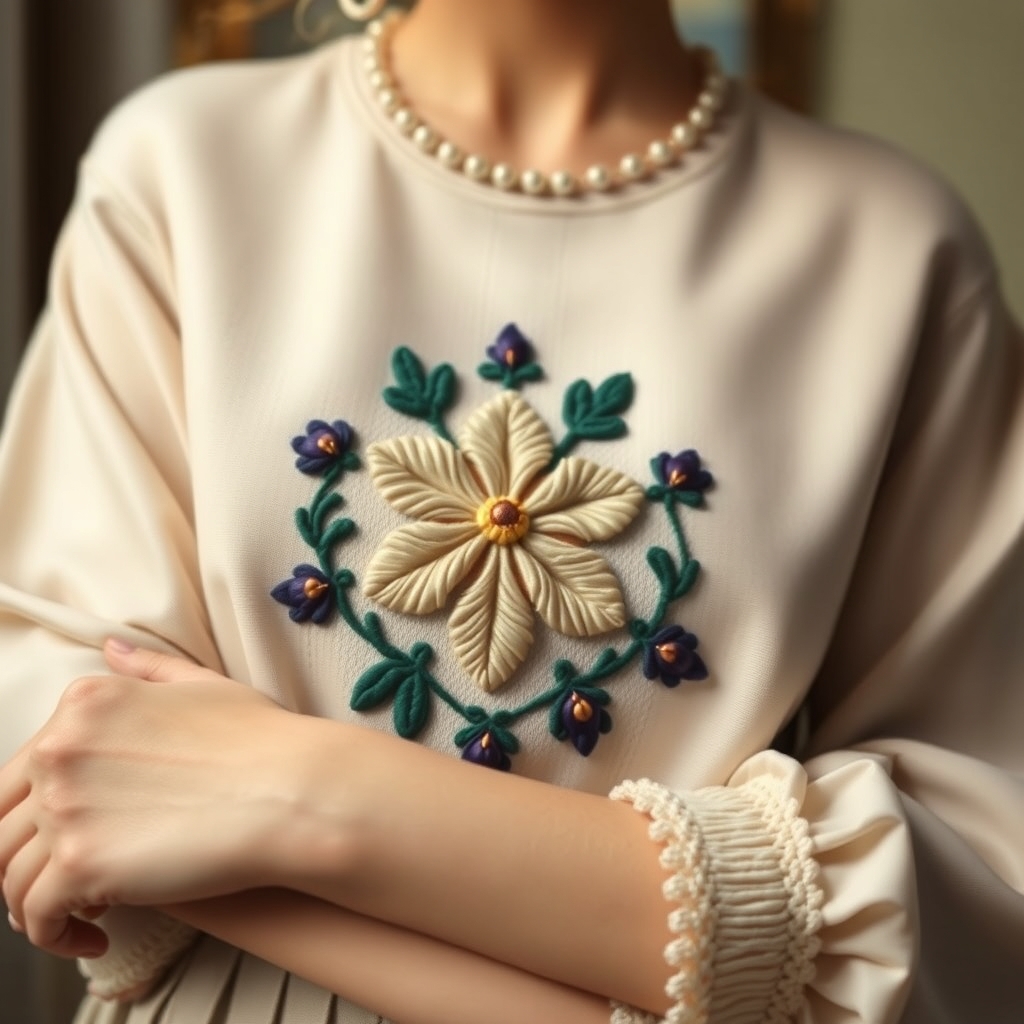
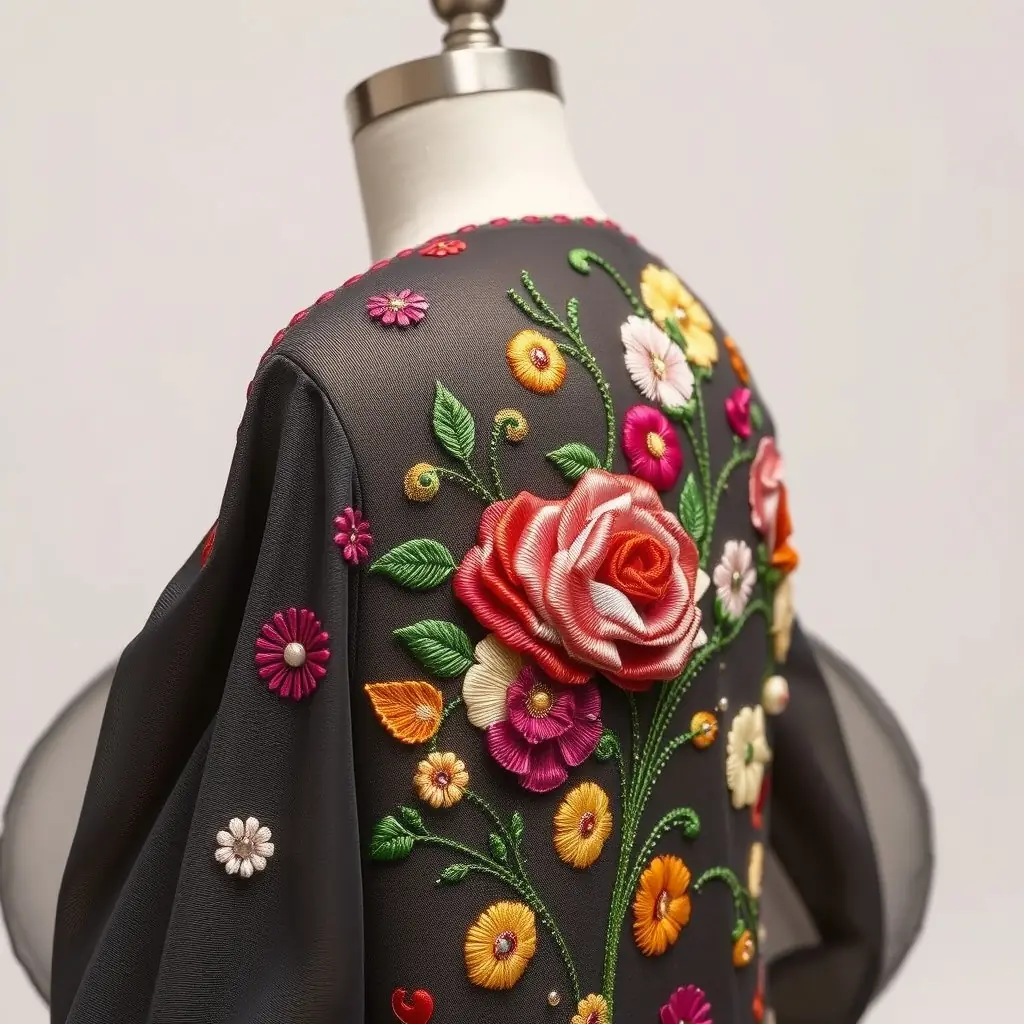
Hand embroidery in couture is akin to painting with a needle. It’s a painstaking process that transforms fabric into ornate canvases decorated with beads, sequins, and threads. Designers like Christian Dior are celebrated for their ability to tell stories through intricate designs. Historically, embroidery signified wealth and status, as each stitch is a testament to hours of skilled labor. Techniques such as tambour or Luneville, renowned for their speed and complexity, are used to craft intricate details on fabrics like tulle and silk. This attention to detail emphasizes individuality, offering a bespoke charm that fast fashion cannot replicate. Whether it’s a floral motif inspired by gardens or an abstract design reflecting cultural themes, the craft of embroidering by hand is an unyielding testament to the wearer's exclusivity. For the fashion aficionado, diving into the world of embroidery unveils the invisible labor and love sewn into every piece, reminding us of a time when clothes were treasures, not trends.
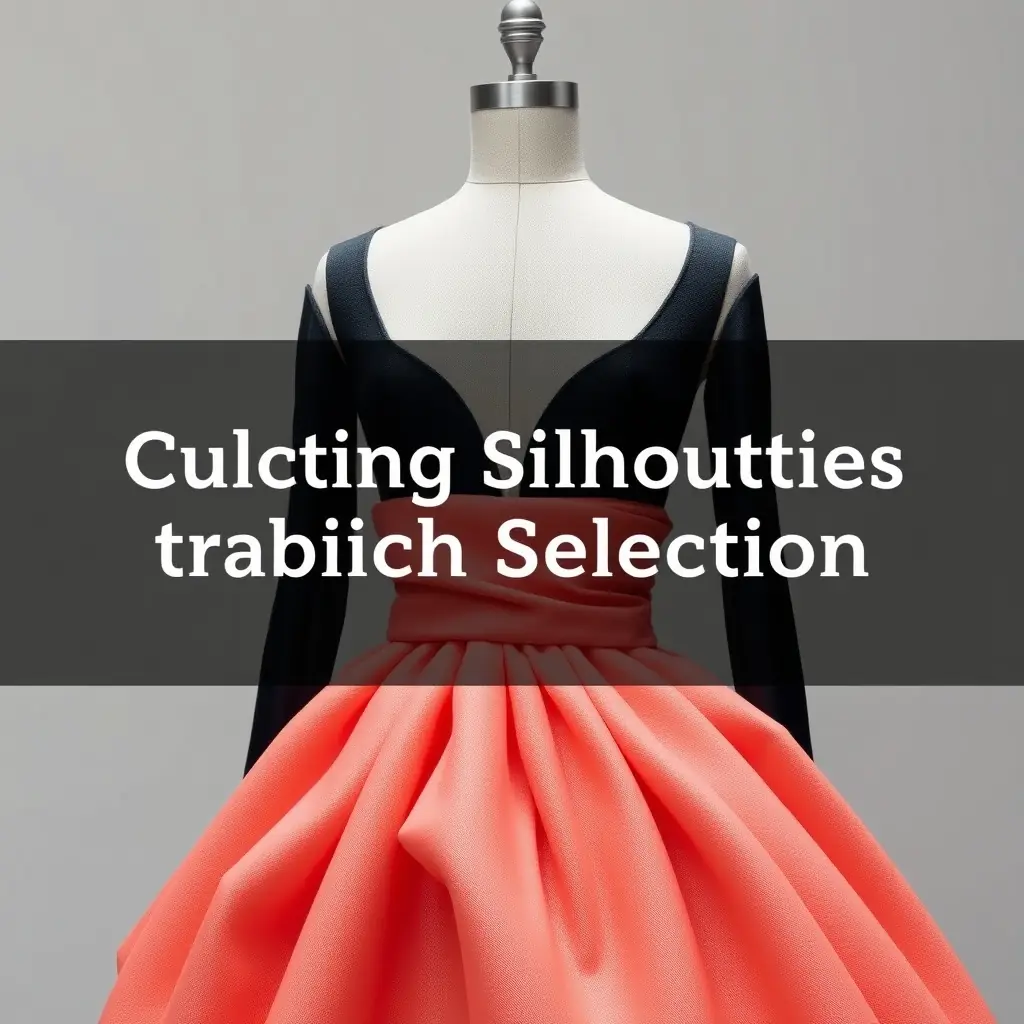
Sculpting Silhouette through Fabric Selection
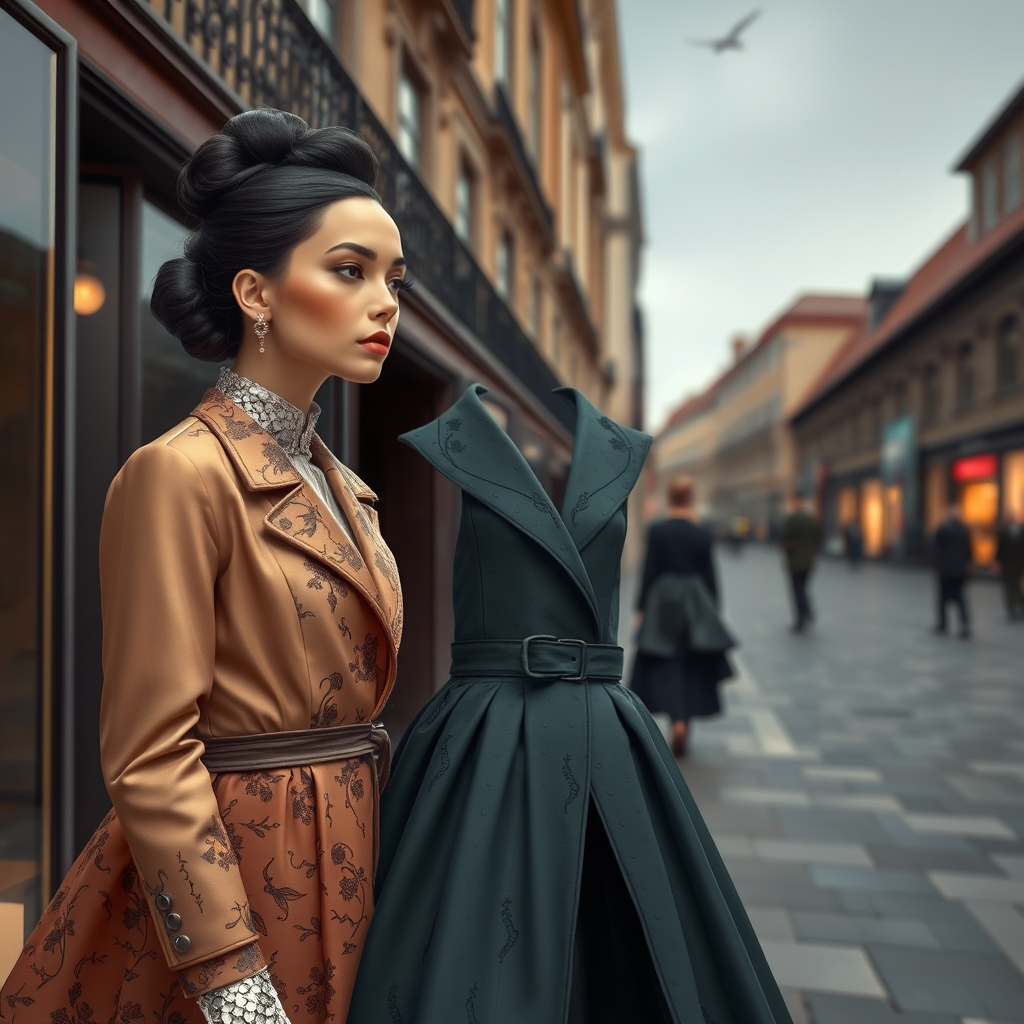
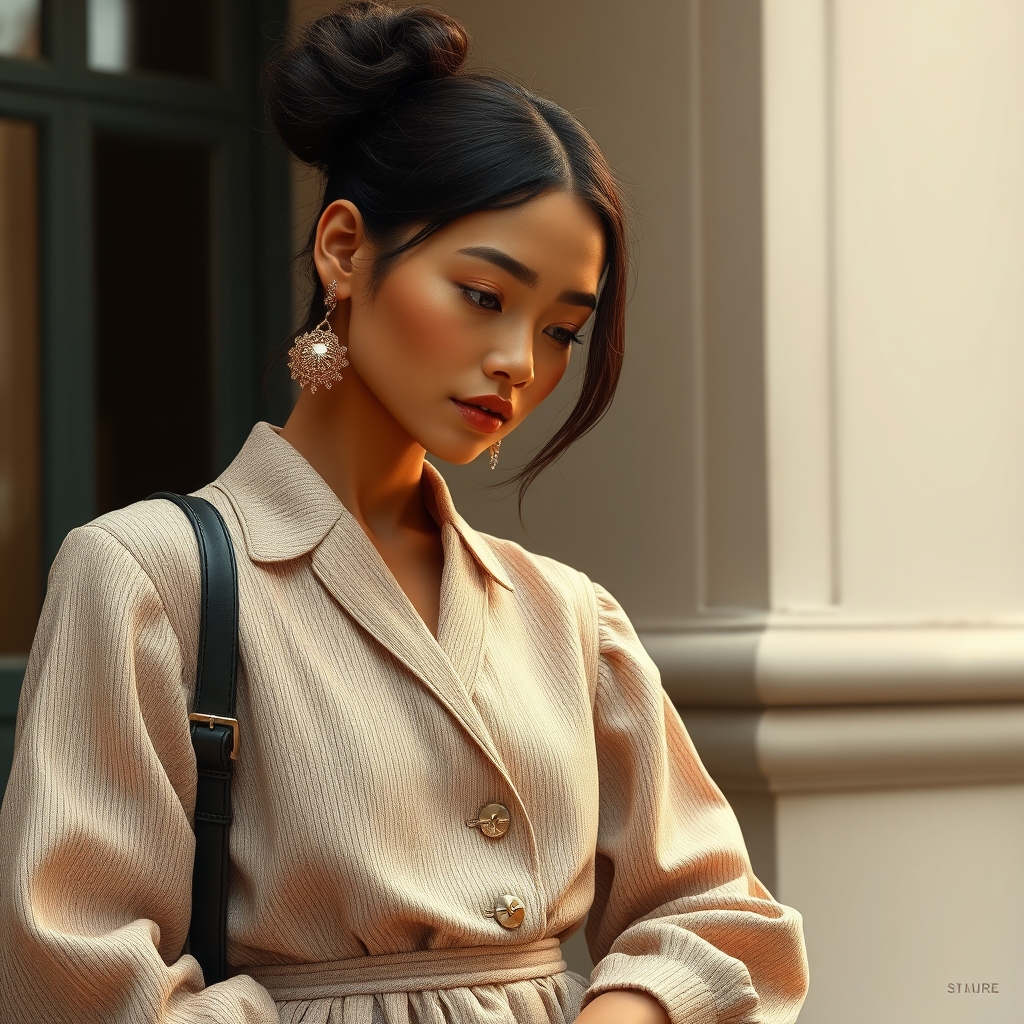
Few realize just how much the choice of fabric influences a garment's silhouette. In haute couture, selecting material is crucial—it defines the final shape and feel of a design. Fabrics can dictate structure: think the rigid lines of wool for tailored suits, or the gentle sway of silk for ethereal dresses. Designers like Coco Chanel have famously used tweed to convey strength and sophistication in their legendary suits. The fabric must be chosen early, as its weight, texture, and movement influence the garment's design and execution. One misstep here alters the entire piece, highlighting the couturier's expertise. Even for non-enthusiasts, knowing how fabric plays a role offers greater insight into why fashion is both science and artistry. With every stitch, designers breathe life into their visions, and with every choice of material, they honor the legacy of technique and creativity that defines haute couture. It’s this attentiveness to detail that shapes the narrative of every garment, turning fabric into fashion’s finest storytellers.