Dior's New Look: A Fashion Revolution
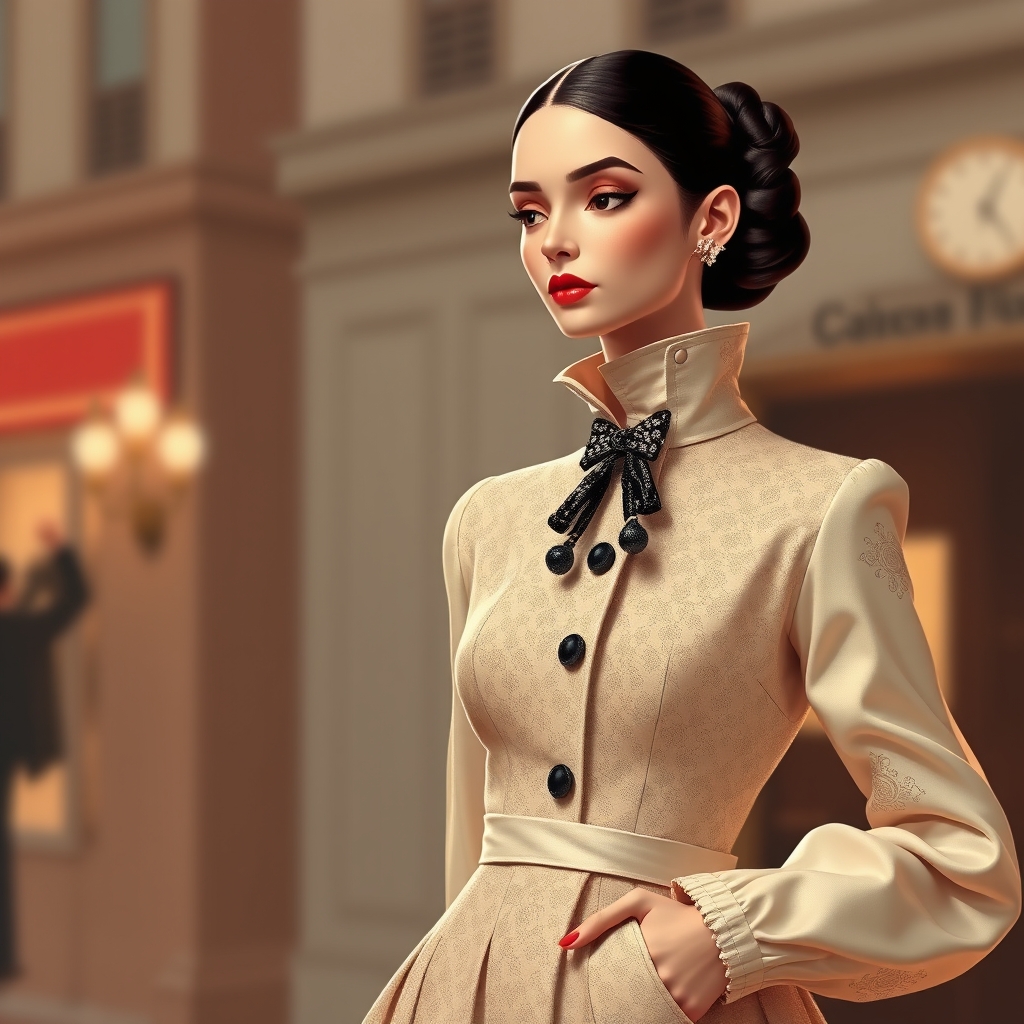
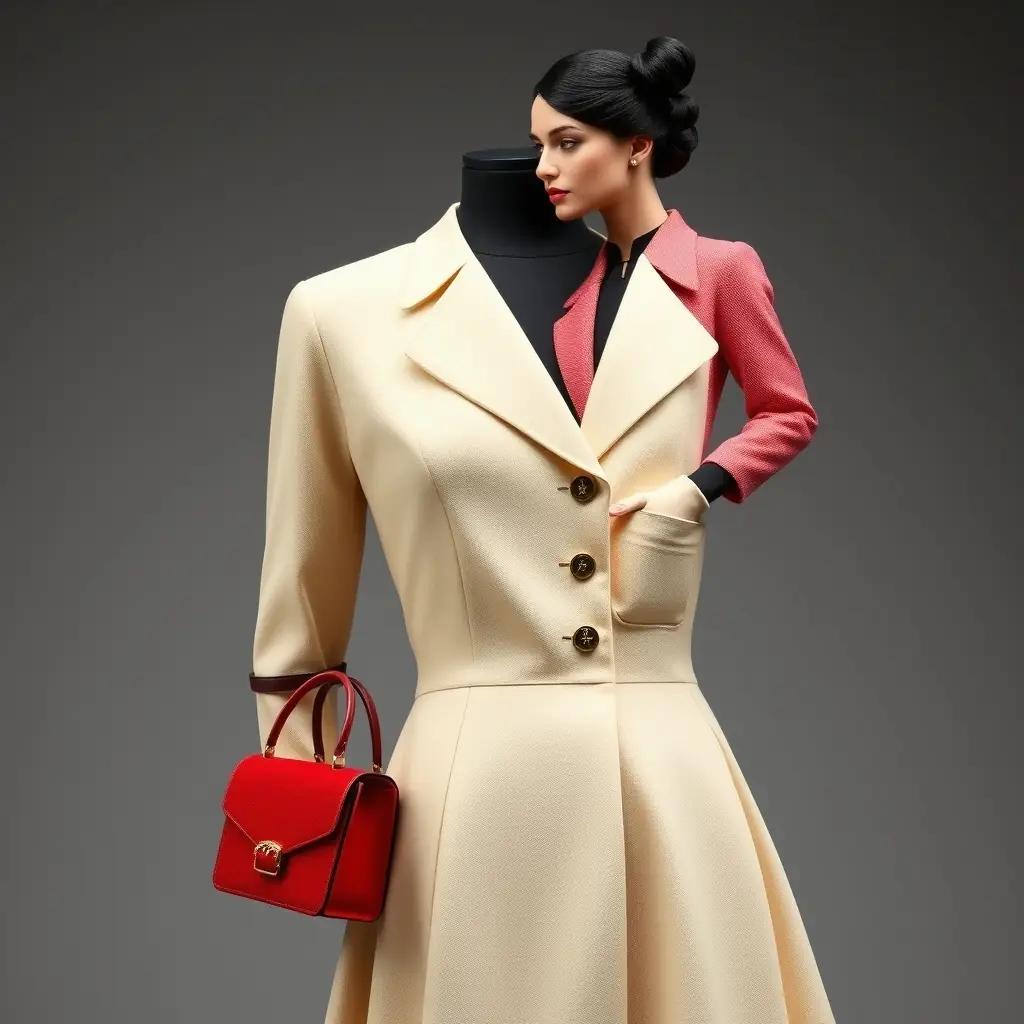
Christian Dior's New Look collection in 1947 was nothing short of revolutionary. The war years had seen austerity in fashion, with functionality trumping flair. Then came Dior, with his 'Bar' suit—cinched waists, full skirts, and luxurious fabrics—a bold departure from the utilitarian designs of the time. I’ve long admired how Dior dared to reintroduce femininity and opulence into women’s wardrobes. The collection wasn’t merely about clothes; it was a statement, a reinvention of post-war elegance. While delving into this era, it becomes clear that Dior's attention to detail was unparalleled. From the way each seam was hand-finished to the care in fabric selection, it was haute couture at its finest. This design philosophy not only restored Paris as the fashion capital but also shaped women’s fashion for decades. It reminds me of the nuanced difference between fashion and true style: fashion fades, but the meticulous craftsmanship and audacity embodied in pieces like the Dior ensemble remain timeless. I often find myself reflecting on how these designs continue to inspire contemporary fashion brands, offering a nod to the past while guiding future trends.
The Allure of Chanel and Her Timeless Tweed
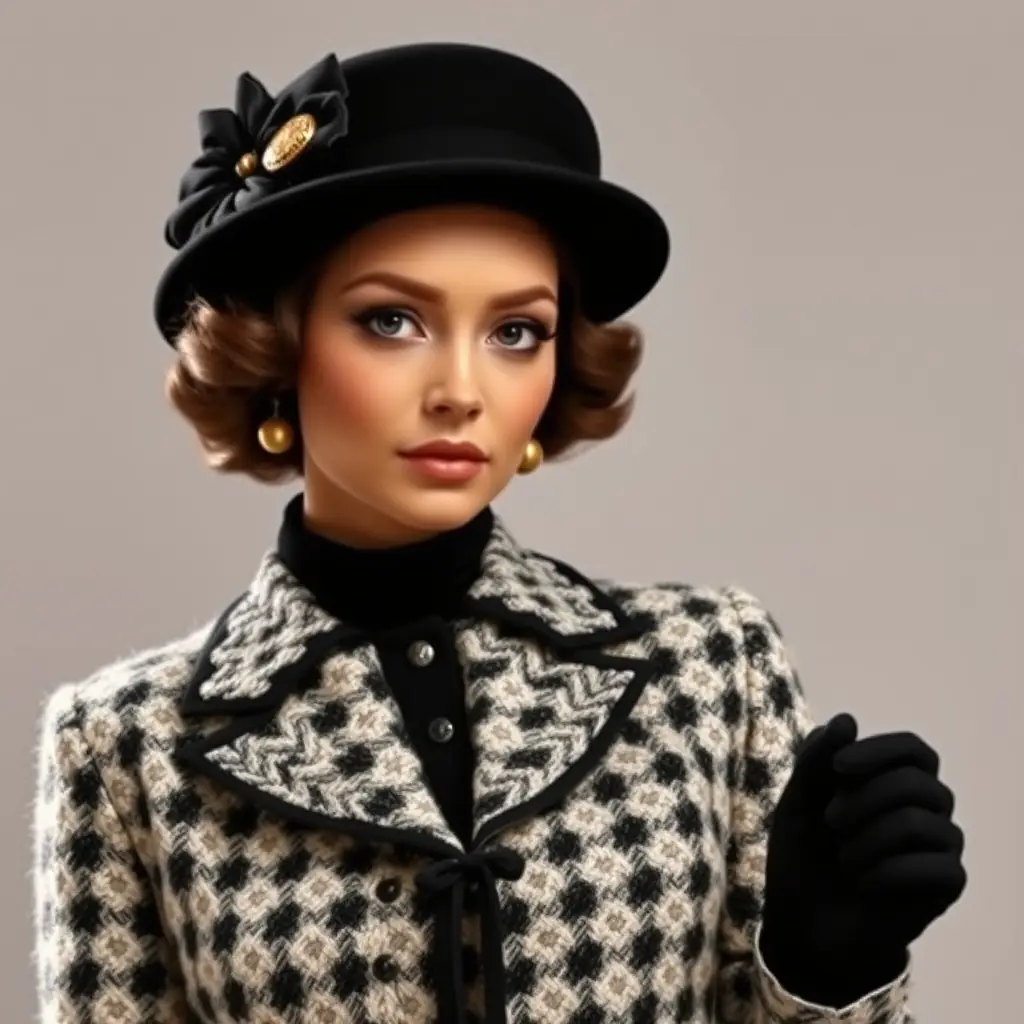
Coco Chanel's introduction of the tweed suit is an icon of enduring style. When I first learned about Chanel's inspiration drawn from menswear, especially her innovative use of tweed, it was a revelation. In the 1920s, women’s fashion was upended by Chanel's emphasis on comfort intertwined with chic elegance. She utilized tweed—a fabric previously seen in men's sportswear—and transformed it into the epitome of women's luxury fashion. Chanel’s mastery lay in her ability to combine the unassuming texture of tweed with impeccable tailoring, and detailed accents, such as contrasting trims and gold buttons, elevating the ensemble's sophistication. I appreciate how the suit empowers through subtlety, offering an understated elegance that never tries too hard but always succeeds in turning heads. The moment you slip into a Chanel-inspired tweed jacket, it's like donning a piece of history. What's fascinating is how this garment remains just as relevant today, seen on runways and in everyday fashion. Little details, like the chain-weighted hem, ensure the jacket drapes perfectly—quintessential Chanel and a testament to haute couture craftsmanship.
The Intricate Art of Haute Couture Embroidery
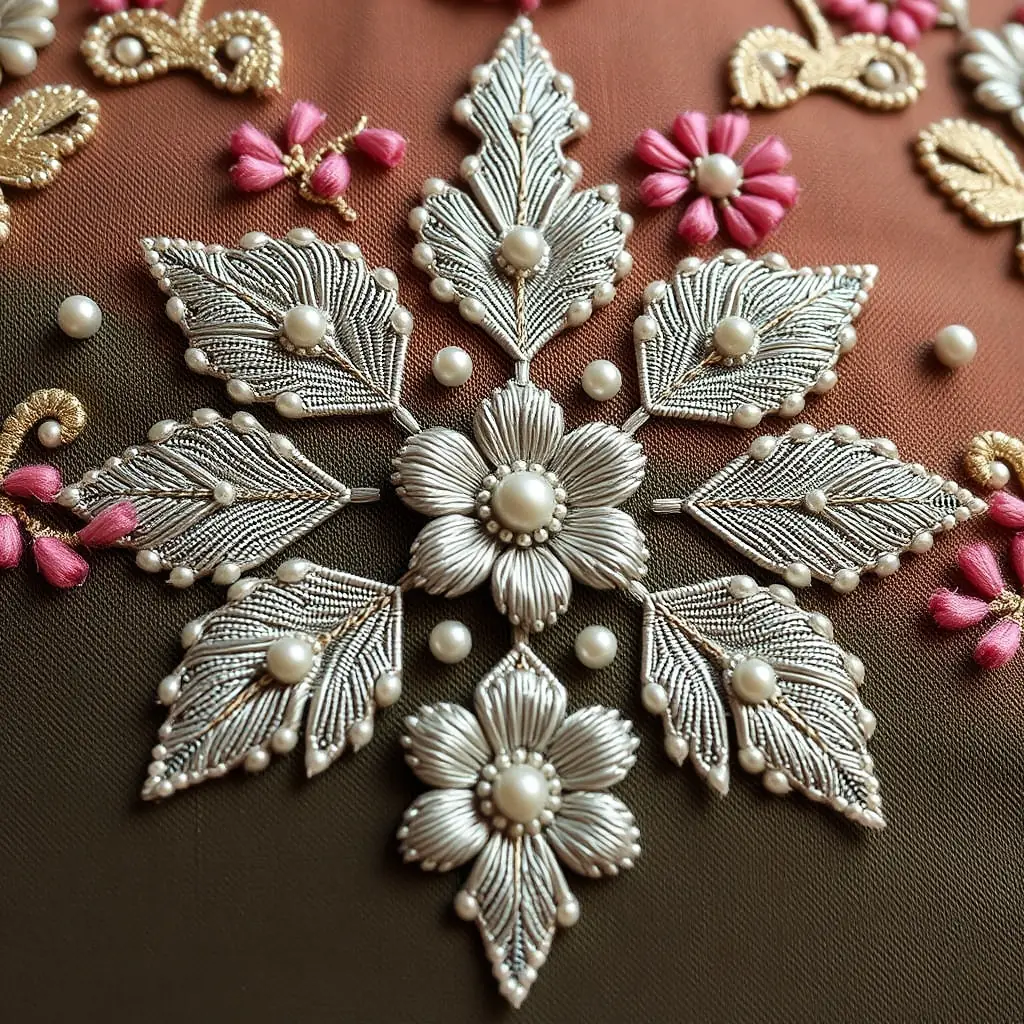
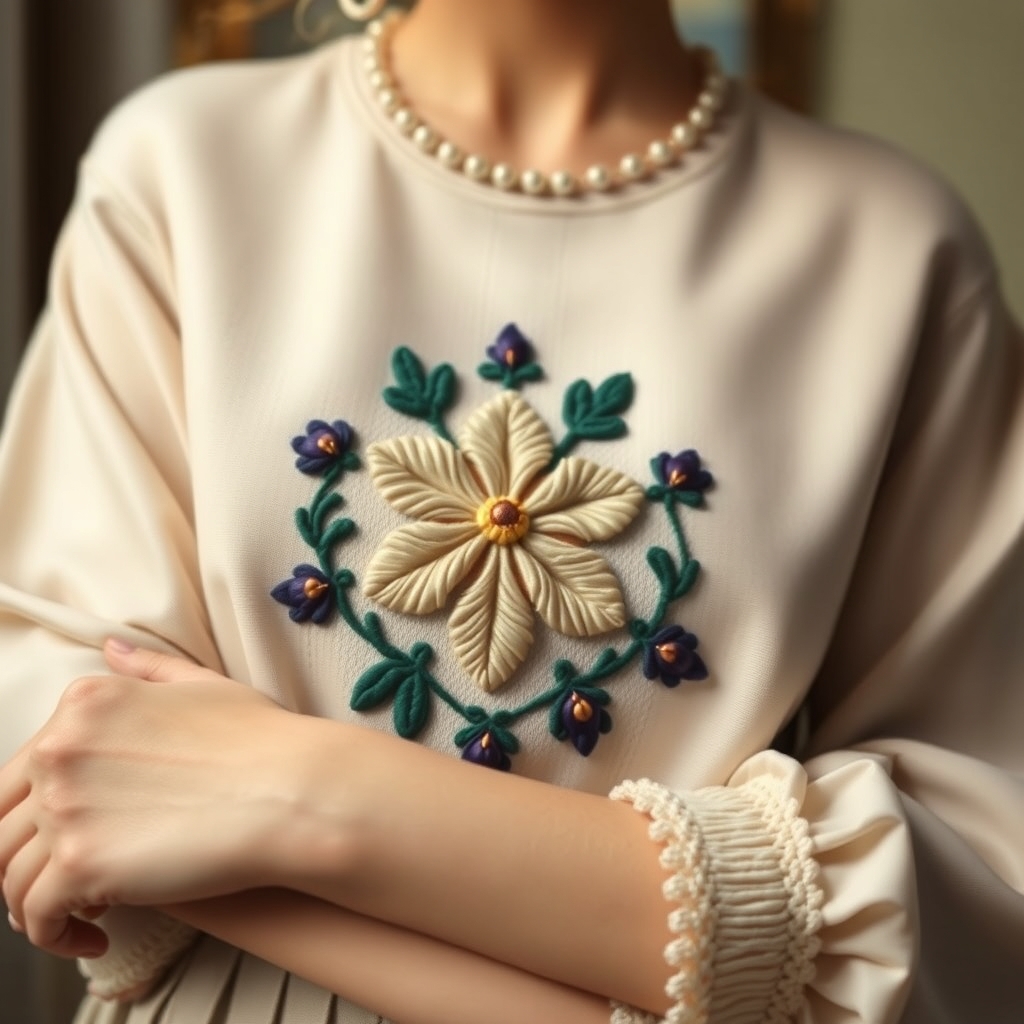
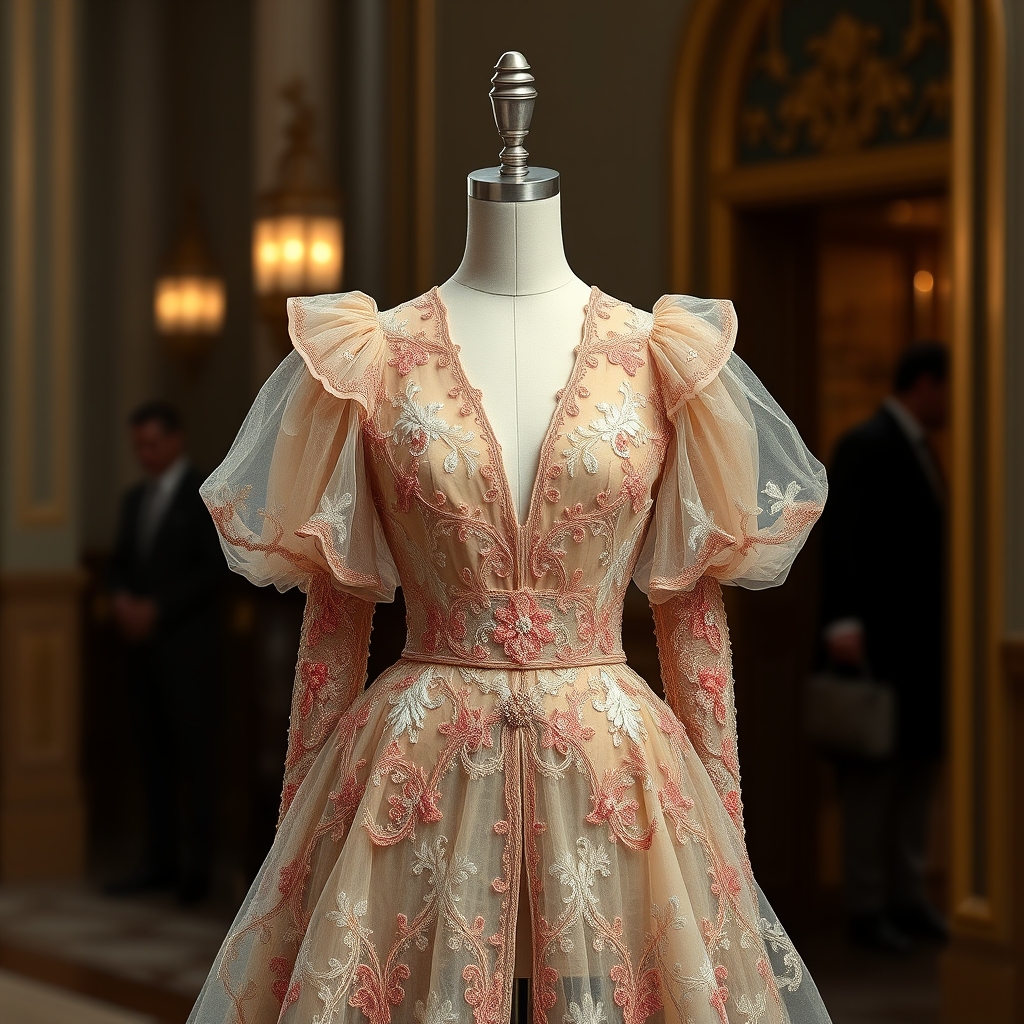
Embroidery in haute couture isn’t just decoration; it’s artistry that commands admiration. My exploration into this world opened my eyes to the laborious yet rewarding process behind these intricate designs. Each piece of embroidery, especially when executed by renowned ateliers like Lesage, tells its own story, weaving culture and creativity into fabric. At a closer glance, you'd discover that some garments require hundreds of hours of painstaking work, with each bead and thread stitched by skilled artisans. From the intricate floral motifs embellishing an Elie Saab gown to the dazzling, elaborately beaded designs of Valentino, you start to notice the subtle sophistication that embroidery brings into play. I've come to realize that every garment is a canvas, an intersection of tradition and innovation. The commitment to quality and detail transforms silk and satin into wearable masterpieces, reminding us that true art doesn’t rush. These garments don’t just drape the body; they tell a lingering tale of patience and precision, elements that define the heart of haute couture. Every stitch serves as a reminder that in fashion, as in life, beauty often resides in the smallest details.