Tracing the Craft of Hand Embroidery
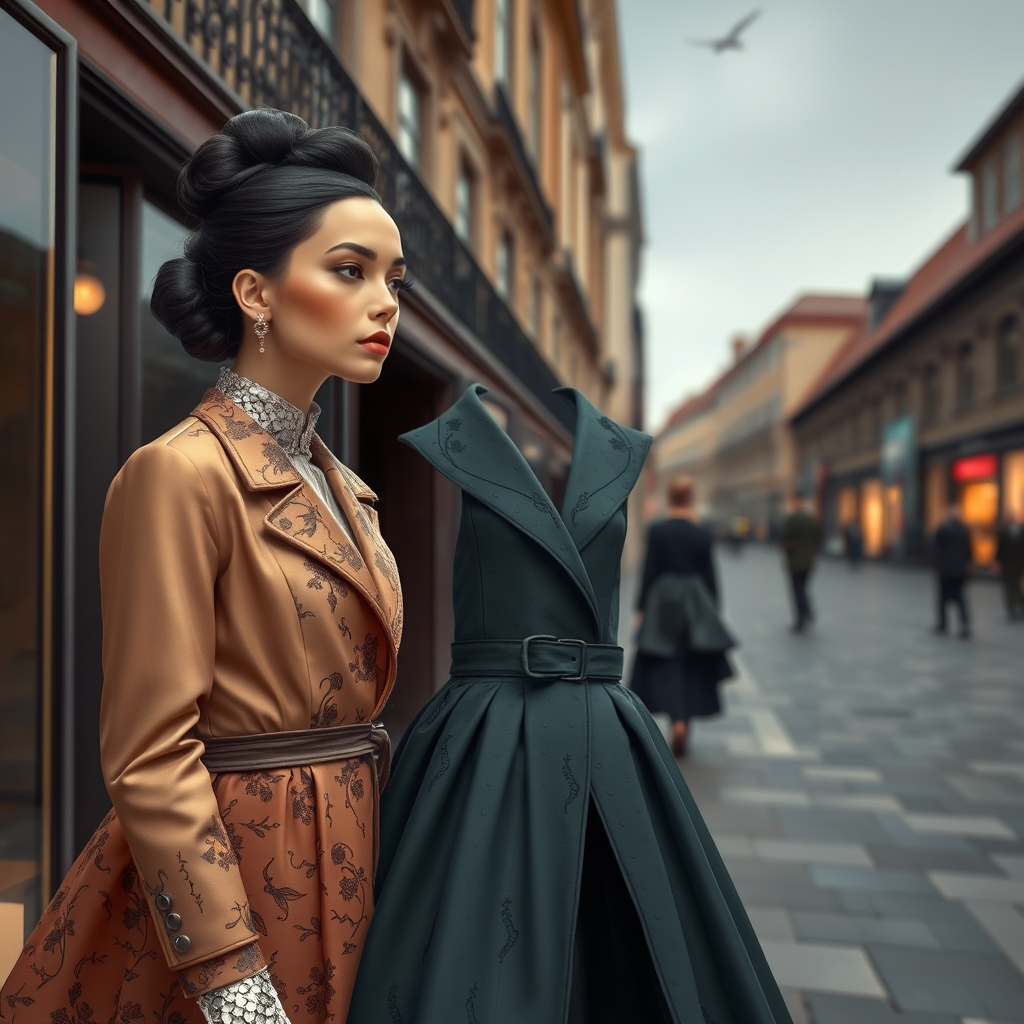
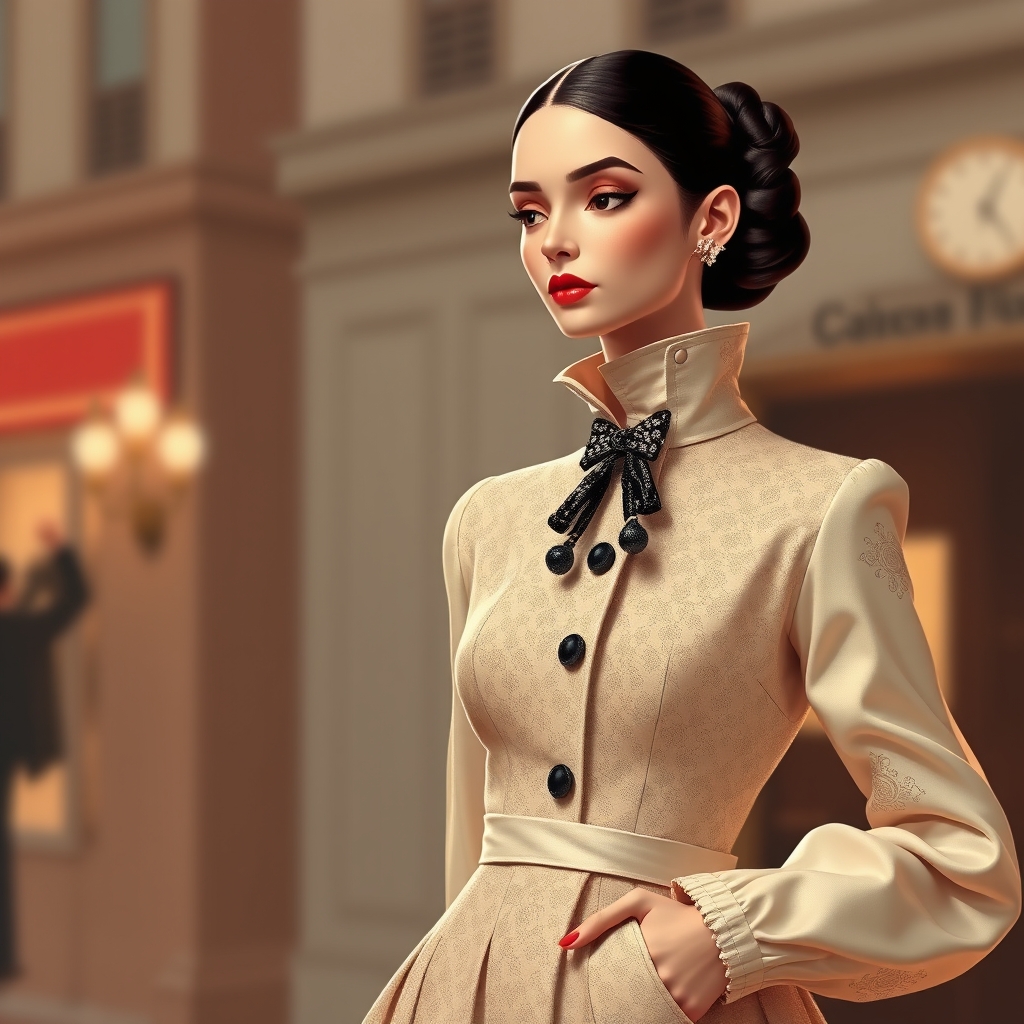
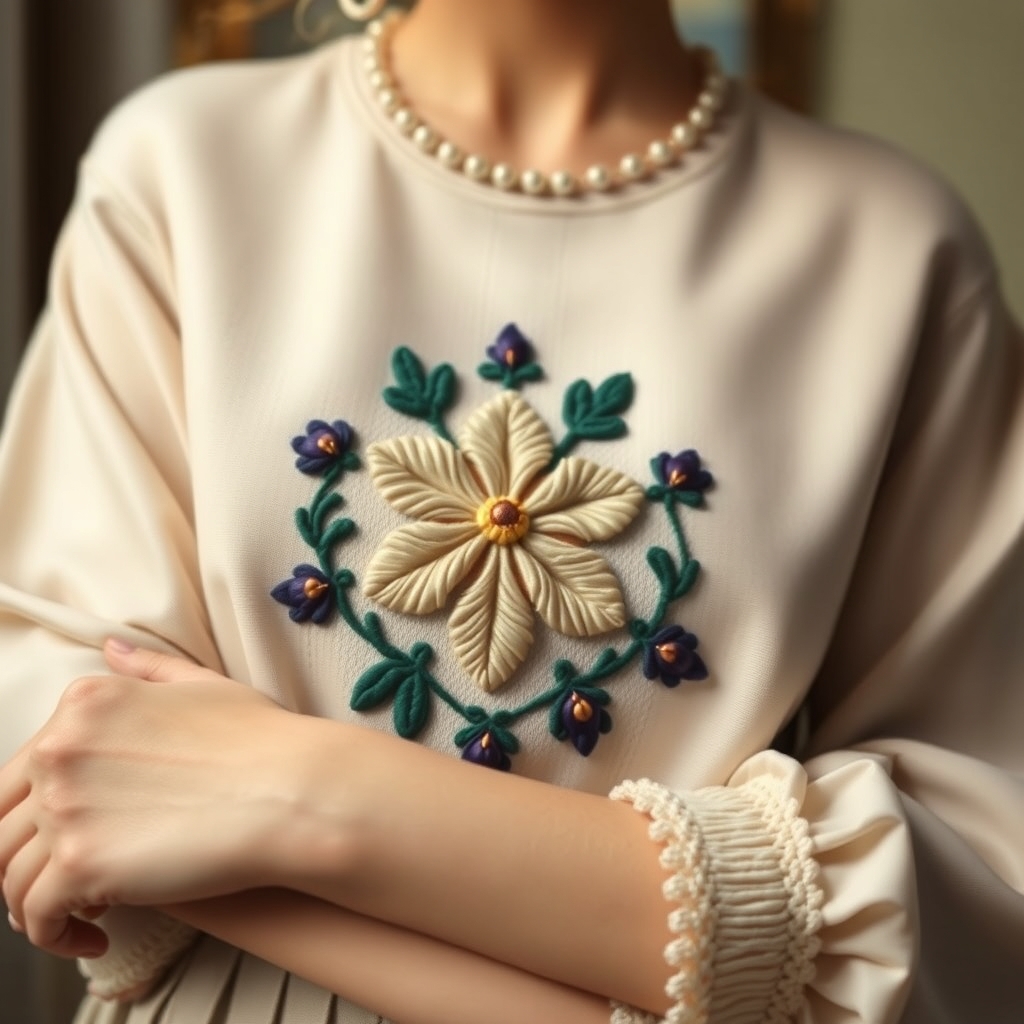
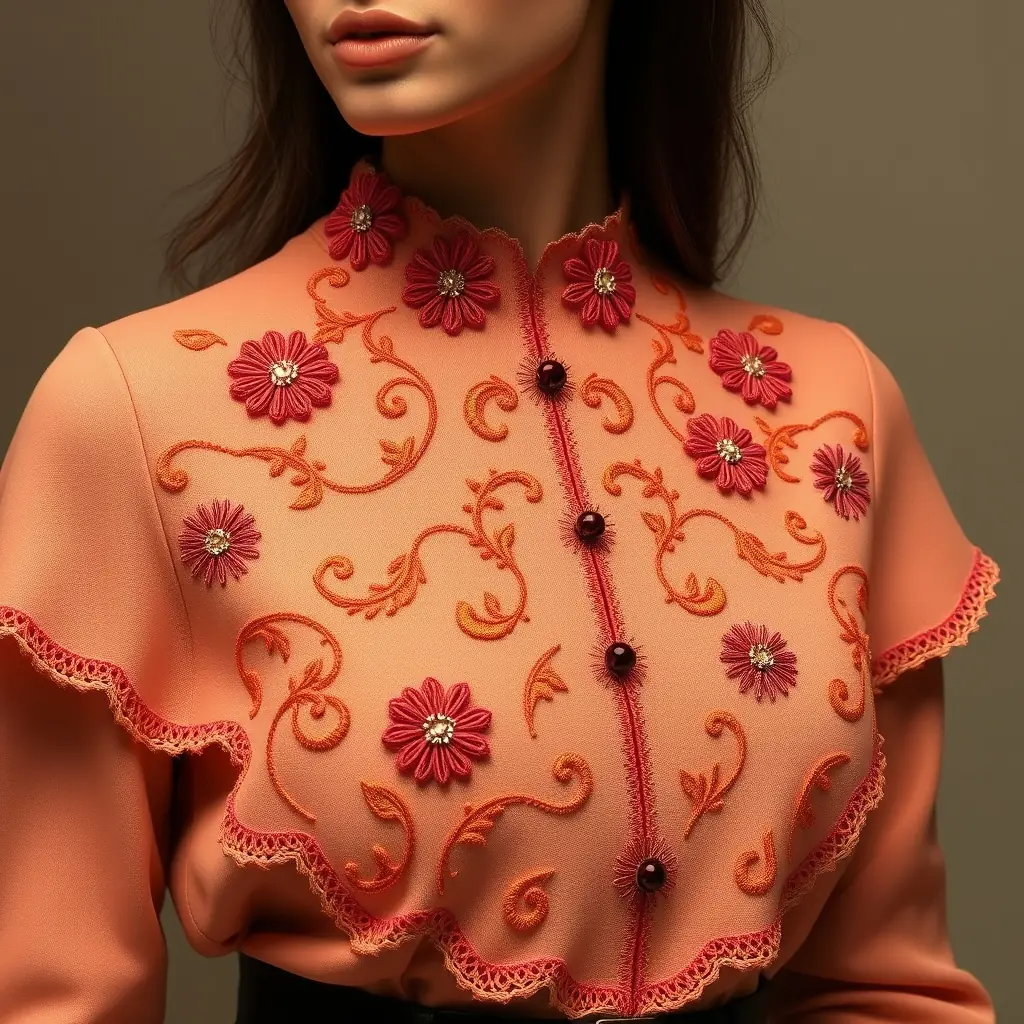
The meticulous art of hand embroidery has long been a signature of haute couture. This technique, cherished for its intricate detail, reflects a dedication to craftsmanship that mass-produced fashion can't replicate. Delving into the history of embroidery, we understand its roots in cultures across the world, from ancient China to medieval Europe, where it signified prestige and skill. In haute couture, each piece of thread becomes part of a grander narrative, perhaps most iconically exemplified by houses like Chanel and Dior, known for their exquisite detailing. Such artisanal touches involve countless hours and are often achieved using centuries-old techniques passed down through generations. Modern fashion houses continue to draw inspiration from these delicate practices, using embroidery to elevate everyday garments subtly. The texture and dimension added by embroidery enliven pieces that would otherwise blend into the sea of fast fashion. What sets these pieces apart isn't just their aesthetic but the story of human perseverance and artistry that each stitch tells. The presence of hand embroidery in today's clothing, from subtle flourishes on a casual blouse to elaborate designs in bridal wear, highlights its enduring appeal.
Draping: The Soul of Couture Creation
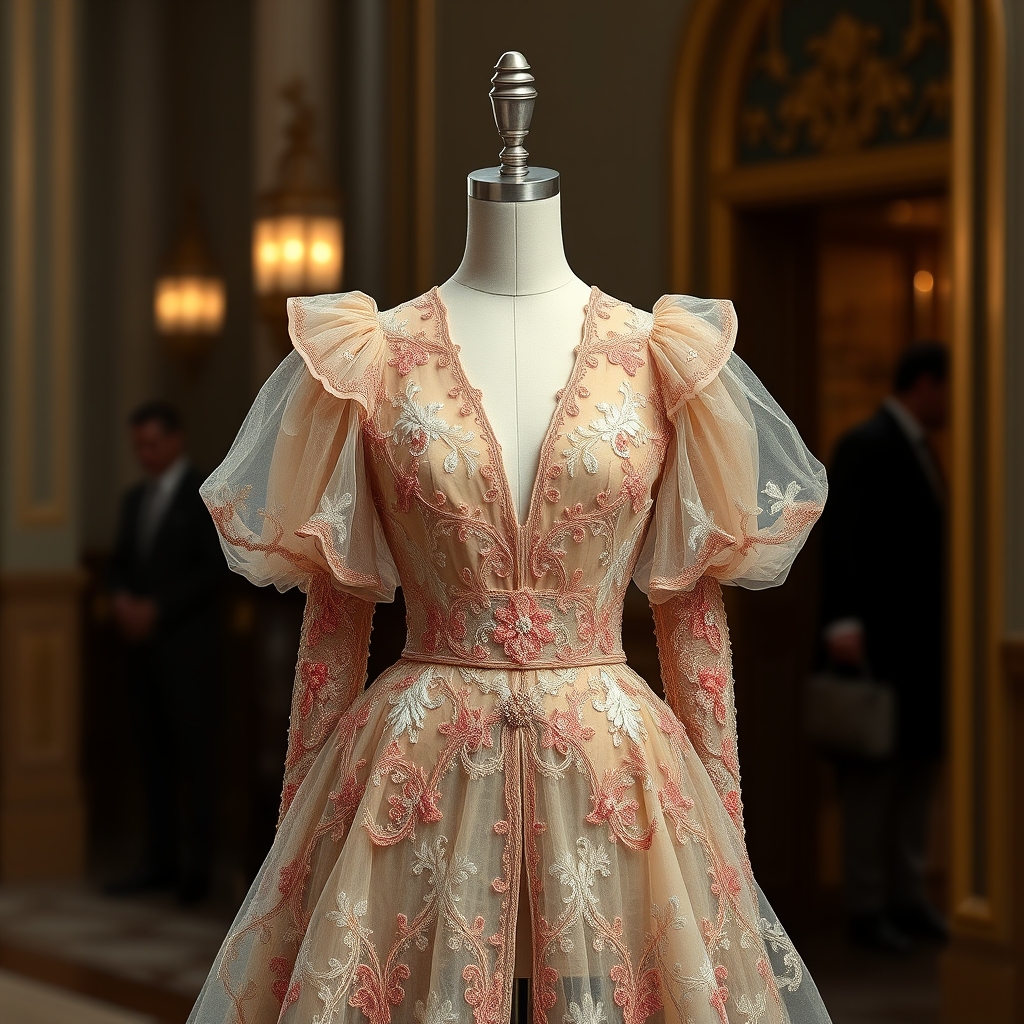
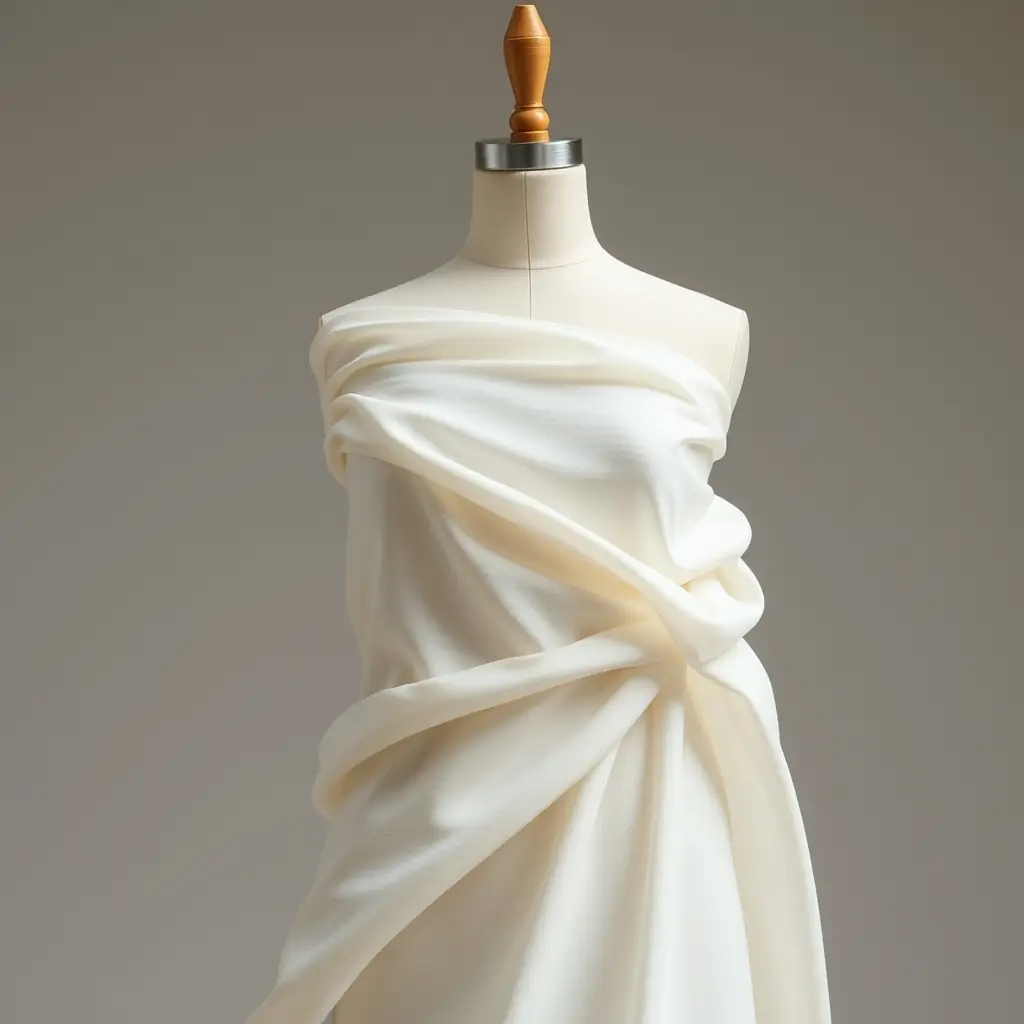
Draping is more than a method; it's an art form central to haute couture’s legacy. The process involves shaping fabric directly on a dress form, allowing designers to experiment with volume, proportion, and fabric interaction in a way sketches cannot reveal. Pioneers like Madeleine Vionnet revolutionized fashion with draping, using it to create flowing silhouettes that appeared almost weightless, transforming how clothing interacted with movement. This method requires an intimate understanding of texture and fabric behavior, a knowledge honed over years of meticulous work. It's no wonder icons like John Galliano and Cristóbal Balenciaga are celebrated for their drapery prowess, shaping pieces that are living sculptures. Draping’s influence peeks into everyday fashion through effortlessly elegant wrap dresses or skirts that cascade naturally. These designs capture the essence of couture for the masses, subtly inviting everyday wearers to embrace a piece of fashion history every time they dress. This democratization of couture aesthetics proves that while not everyone can own a couture piece, many can enjoy its influence, imbibing a touch of elegance into daily life.
Influence of Iconic Couture on Modern Fashion Trends
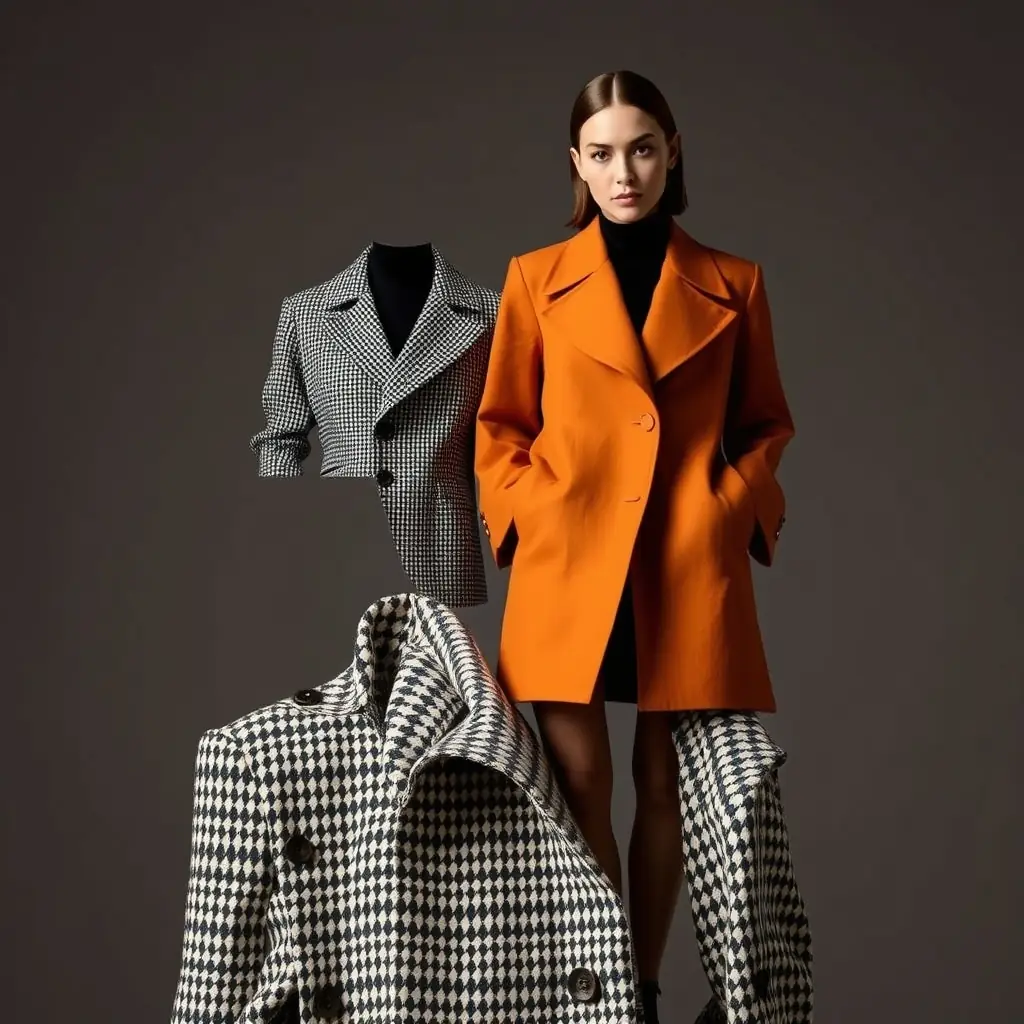
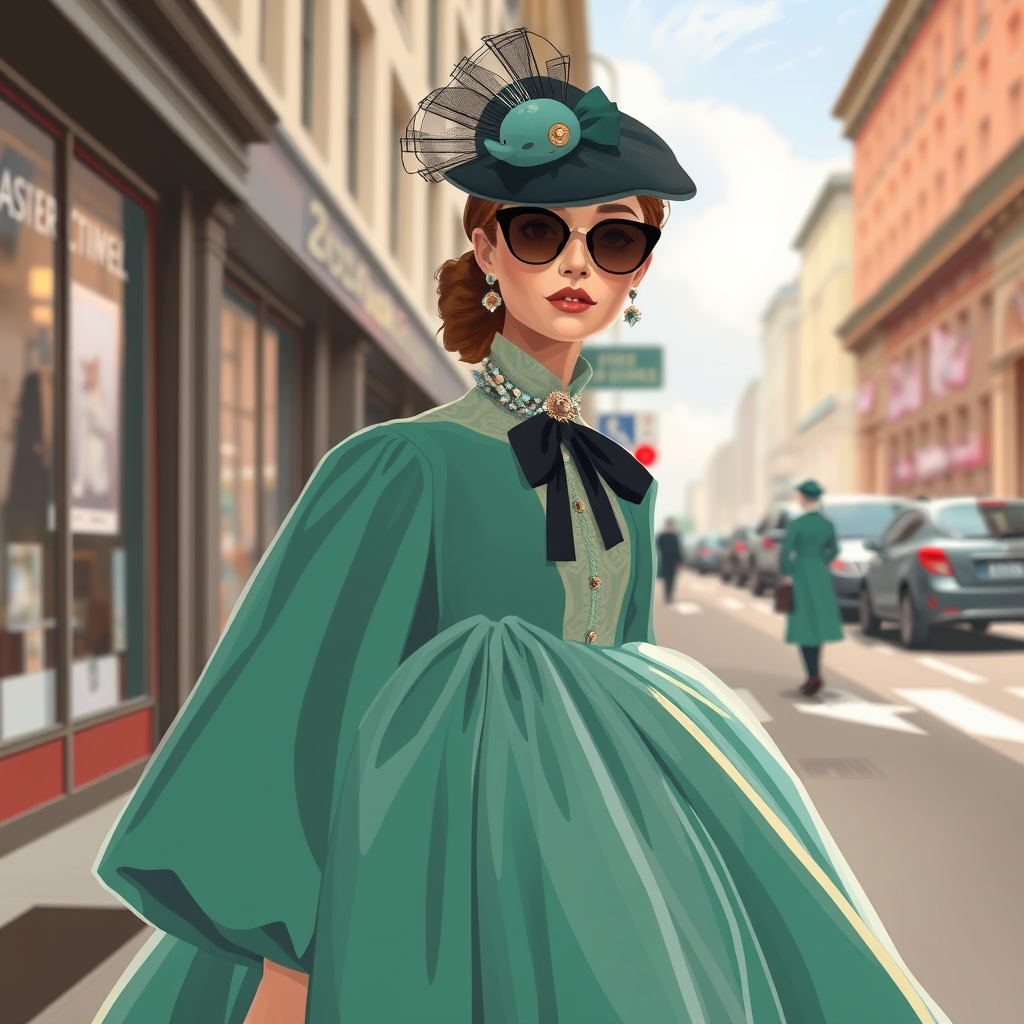
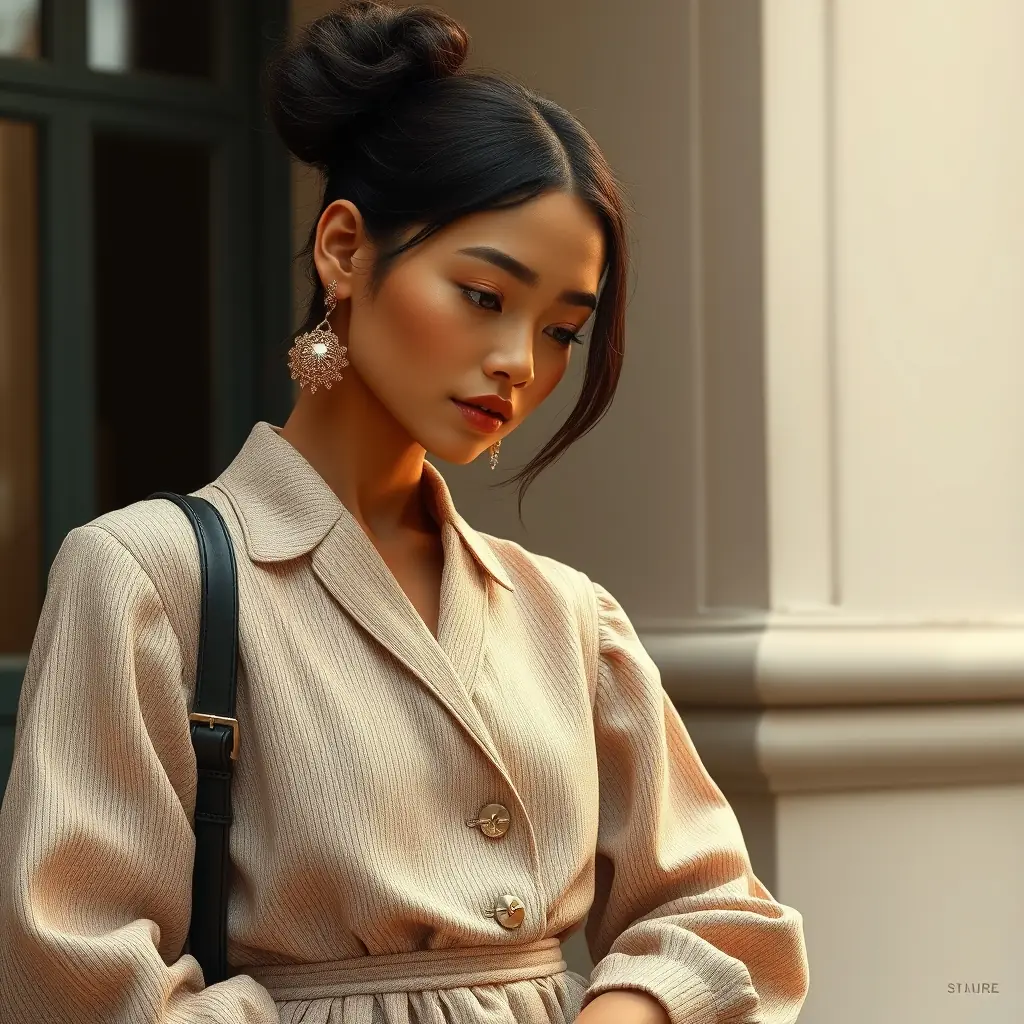
Haute couture has always been the harbinger of fashion innovation, with its avant-garde attitudes and limitless creativity setting trends for decades. This sphere of fashion stands not just as a monument to sartorial excellence but as a laboratory for design explorations that seep into mainstream fashion and everyday apparel. Think of Balenciaga’s structured silhouettes and how they've rippled into today’s oversized jackets and coats, combining sophistication with comfort. Or consider the nostalgic nod to Coco Chanel's tweed suits, reincarnated today in countless ready-to-wear collections that echo her timeless style while catering to modern sensibilities. The transition from runway to retail demonstrates the subtle, pervasive influence of haute couture across tiers of fashion. While few indulge in couture’s bespoke luxury, its ideals infiltrate wardrobes worldwide. Whether it’s a high street jacket boasting a structured shoulder or a dress mimicking the drape of couture legends, fashionistas everywhere taste a bit of haute couture’s allure. This overlap suggests that while haute couture may seem distant to some, its spirit innovates and inspires more than we might realize.