The Legacy of Craftsmanship in Couture
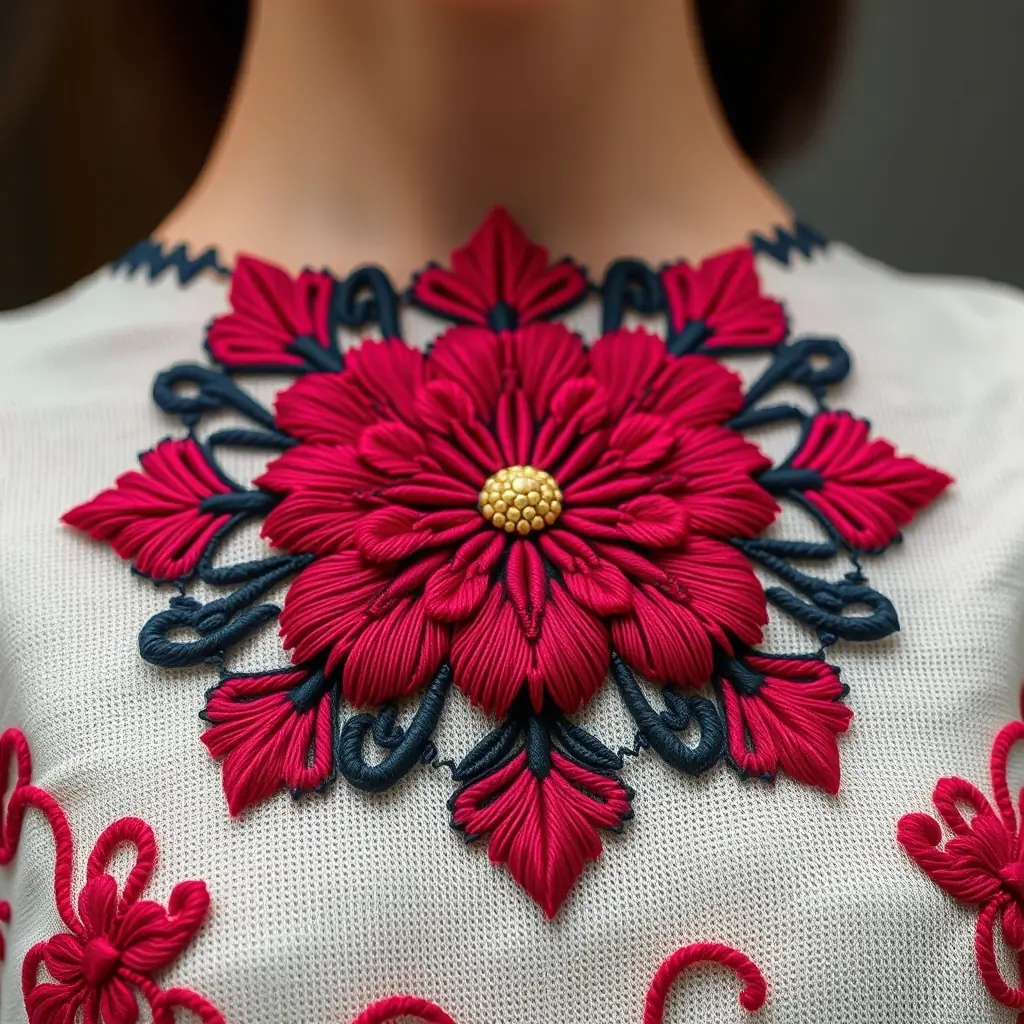
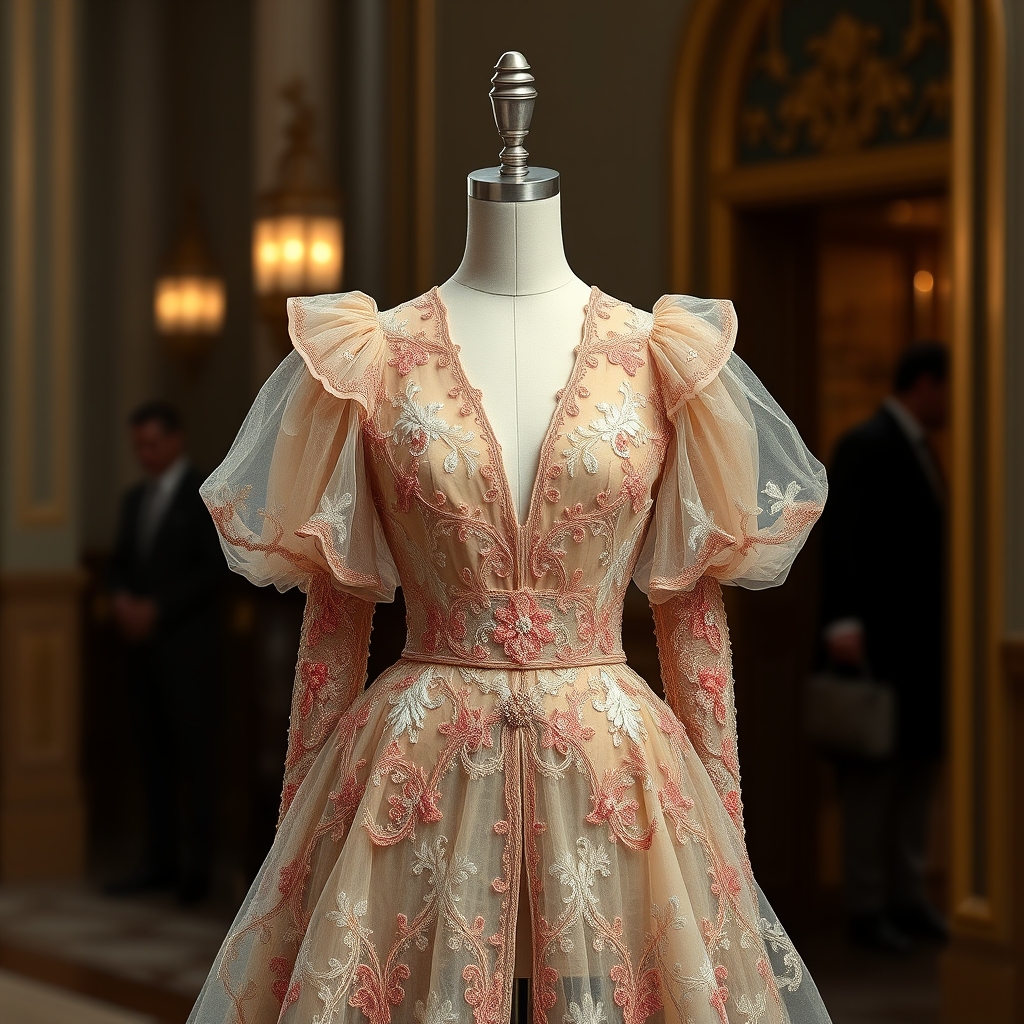
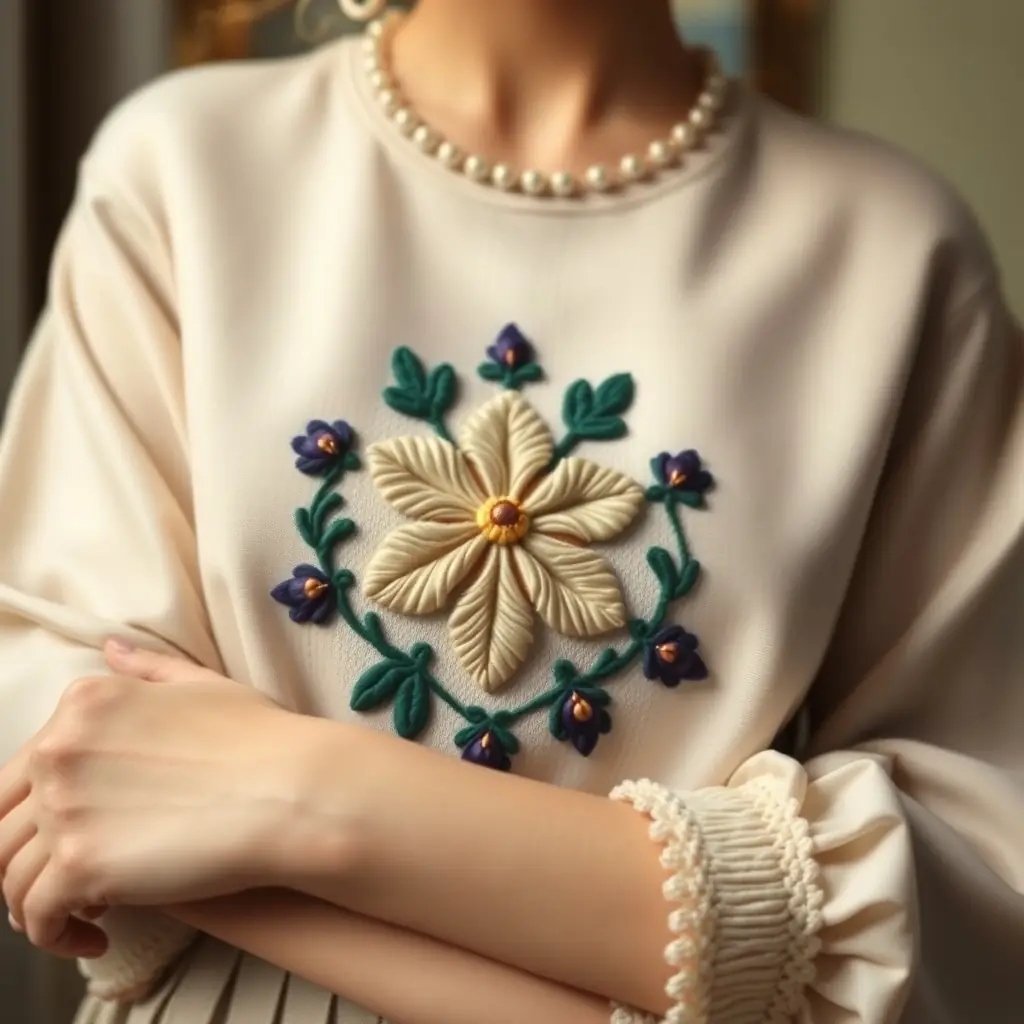
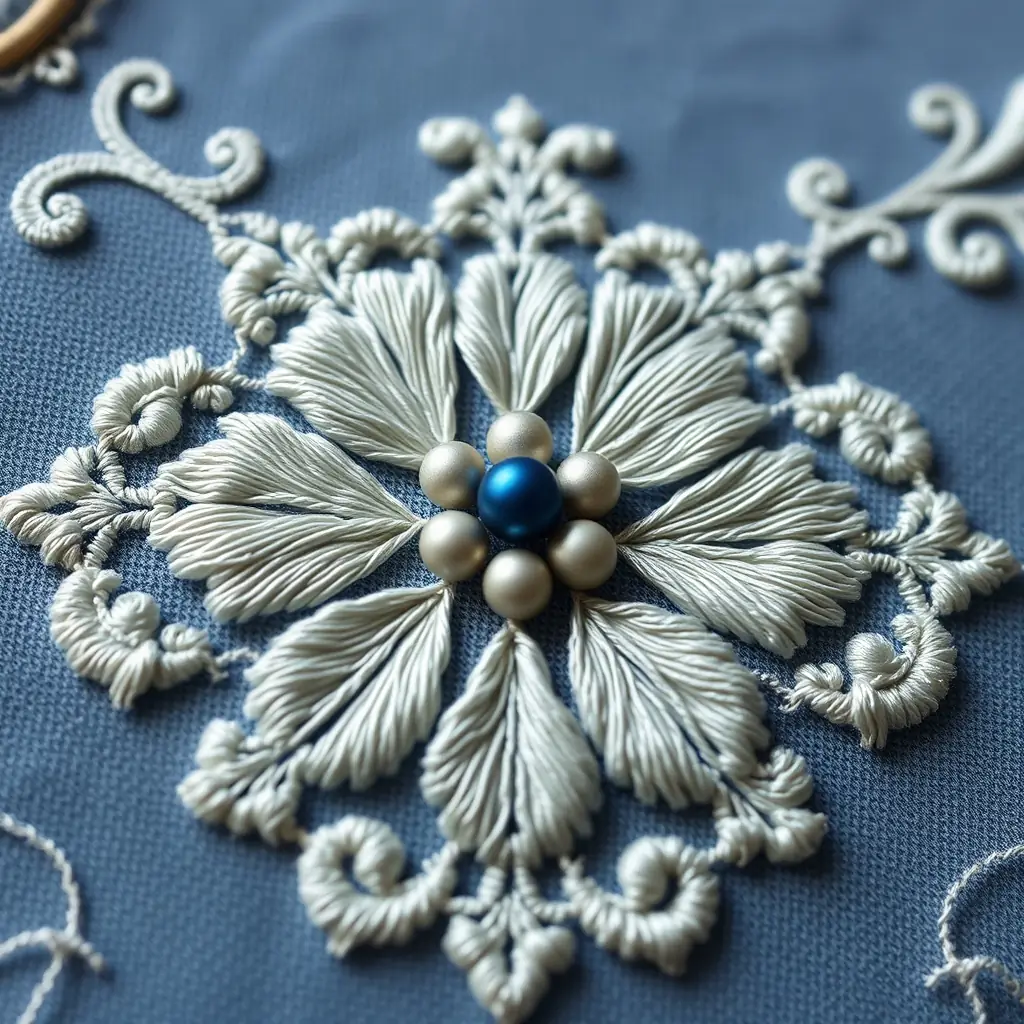
Couture houses have always been synonymous with an unparalleled level of craftsmanship, and hand embroidery stands at the heart of this legacy. This meticulous technique has been a mainstay in the world of haute couture for centuries, playing a pivotal role in creating garments that are not just worn but revered. Embroidery in fashion often tells a story, infusing each gown or suit with an intricate tapestry of history and creativity. A prime example lies in the embroidery work of Maison Lesage, whose atelier has been crafting exceptional embellishments for the likes of Chanel and Dior for decades. Techniques such as tambour and needlepoint create an allure that machined embroidery simply can't match. The tactile and visual richness brought by these hand-crafted details is a cornerstone of what makes couture garments so extraordinary. But this isn't just about fashion's elite. The artistry and tradition of embroidery have trickled down into ready-to-wear collections. High-street brands are tapping into these elements, bringing a touch of couture into everyday wear with embroidered details on blouses and denim. Thus, the legacy of hand embroidery continues to influence fashion at all levels, making it both an art form and a statement of elegance.
Iconic Designers Transforming Embroidery
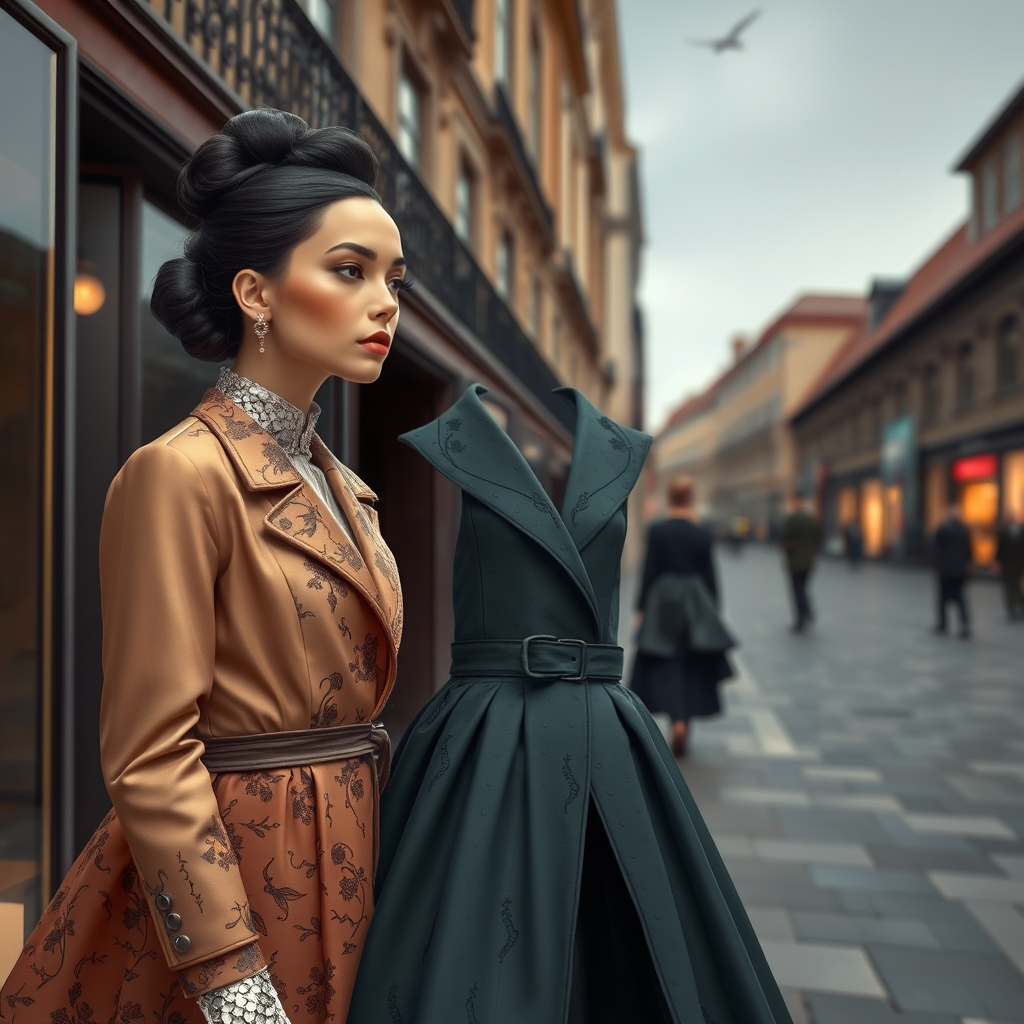
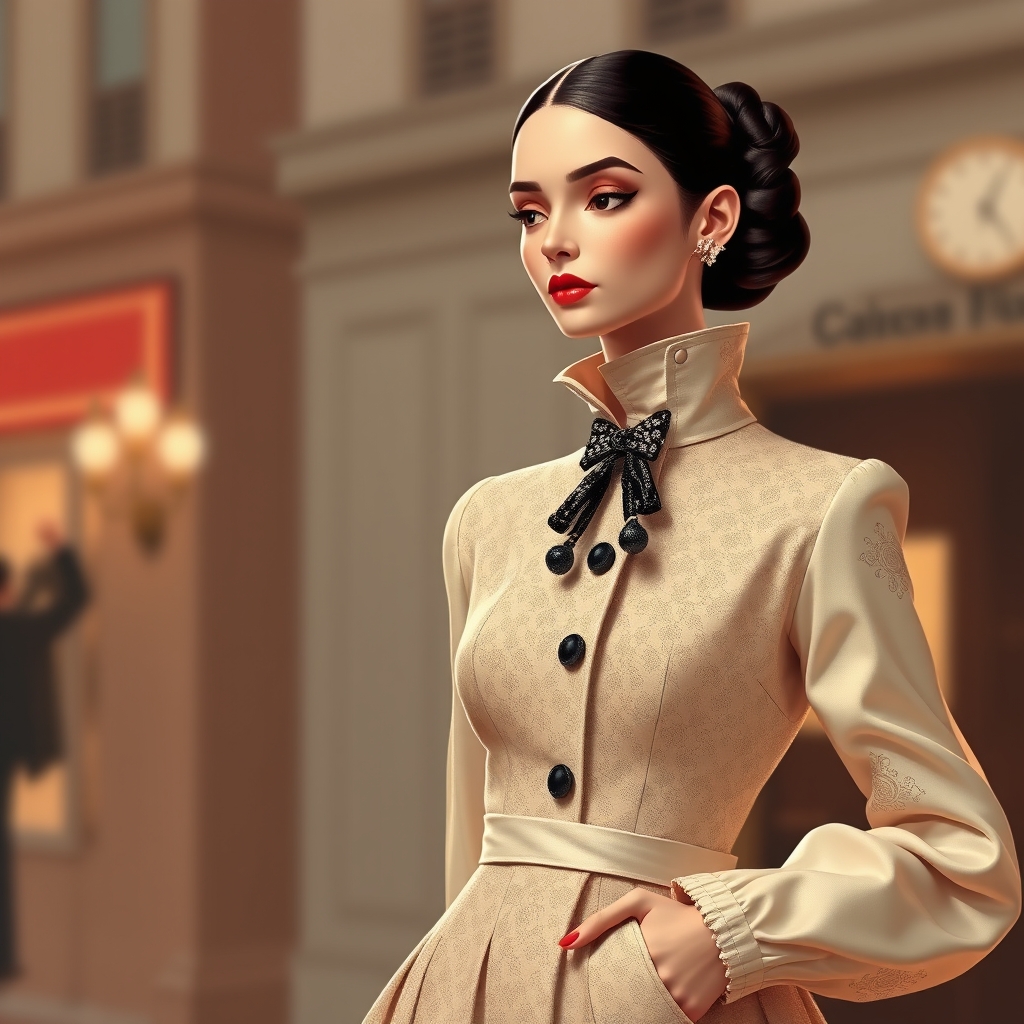
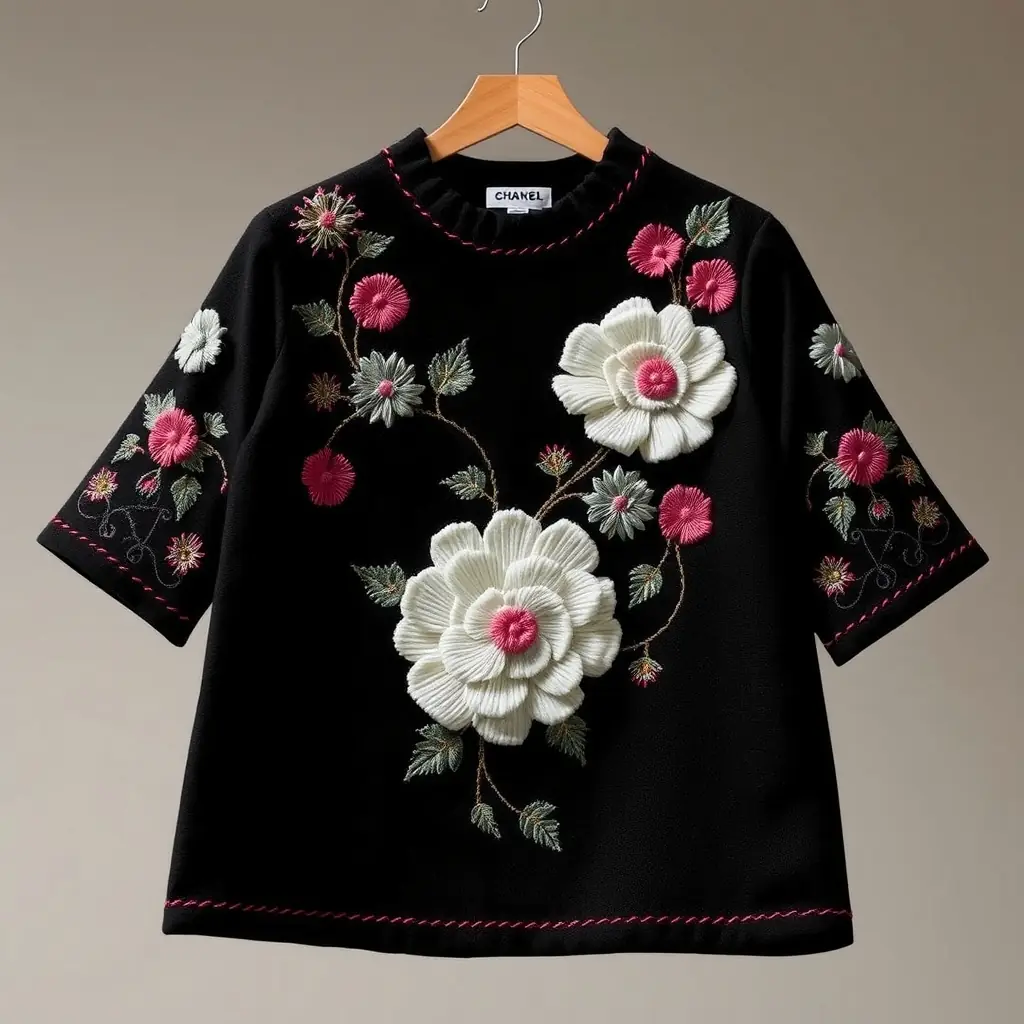
When we talk about the icons of haute couture, designers like Christian Dior and Coco Chanel immediately come to mind for their revolutionary approaches to fashion. But beyond their striking silhouettes and imaginative designs, these designers elevated embroidery to an art, transforming it into a tool to express their sartorial vision. Dior’s New Look was famously complemented by lavishly embroidered fabrics that added texture and depth, aligning perfectly with the opulence of post-war fashion aesthetics. On the other hand, Chanel's understated yet luxurious use of embroidery, often in tweeds and jerseys, demonstrated how delicate needlework could redefine elegance. This careful curation of embroidery not only showcased innovation but also solidified these designers as authorities in the fashion realm. Today, looking at their archives, the embroidered pieces remain timeless, underpinning how crucial hand-stitched embellishments are in expressing haute couture's ethos. As designers continue to push boundaries, embroidery evolves—taking on new interpretations while maintaining its place as a definitive element in both exclusive couture and accessible fashion.
How Couture Techniques Redefine Modern Fashion
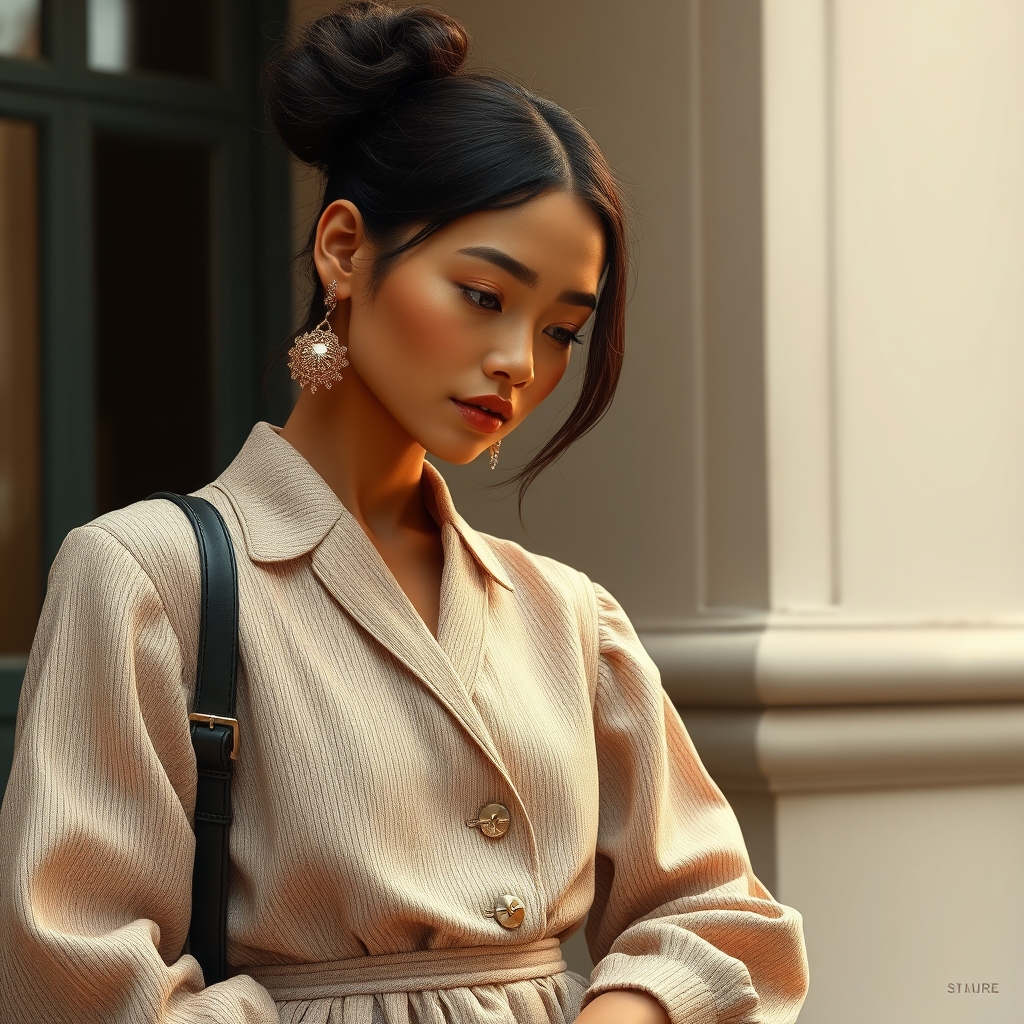
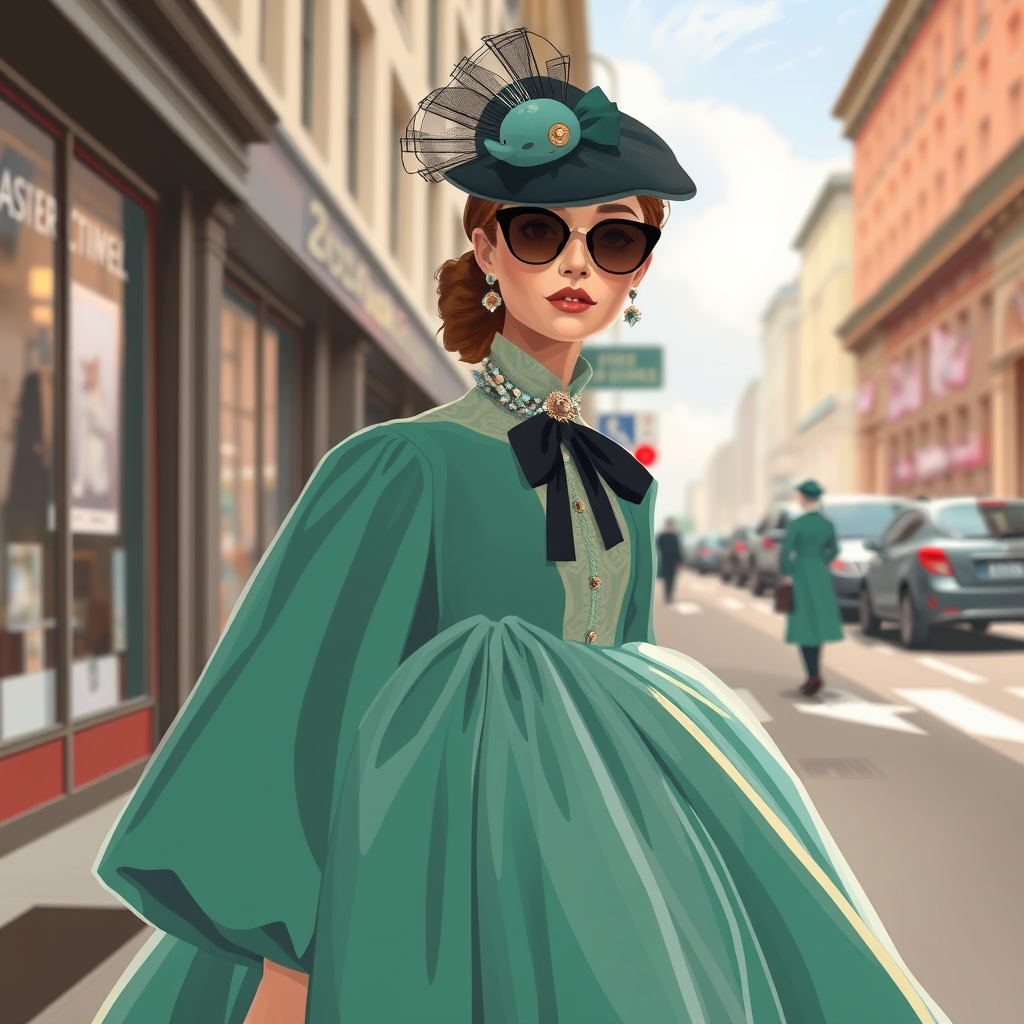
In today's fashion landscape, the influence of haute couture is evident far beyond the ateliers of Paris. The intricate techniques, particularly embroidery, that define couture craftsmanship have gradually woven themselves into the fabric of contemporary fashion. Labels known for their ready-to-wear collections now incorporate detailed embroidery as a nod to the richness that couture brings—elevating everyday items to something beyond the ordinary. Consider how chains like Zara or H&M sprinkle touches of intricate embroidery into their seasonal lines. It’s a subtle yet powerful testament to how deeply embedded these couture techniques are within modern design sensibilities. Hand embroidery adds substance and style that machines cannot replicate, embodying a ‘slow fashion’ ethos that appeals to consumers seeking quality and artistry. Moreover, as the demand for sustainable fashion increases, the timeless nature of embroidered pieces offers longevity in wardrobes, reducing the throwaway culture promulgated by fast fashion. This amalgamation of couture artistry with everyday wear demonstrates an ongoing dialogue between high fashion and consumer reality, where embroidery stitches a shared narrative of elegance and sustainability.