The Art of Draping: Sculpting Fabrics into Fantasy
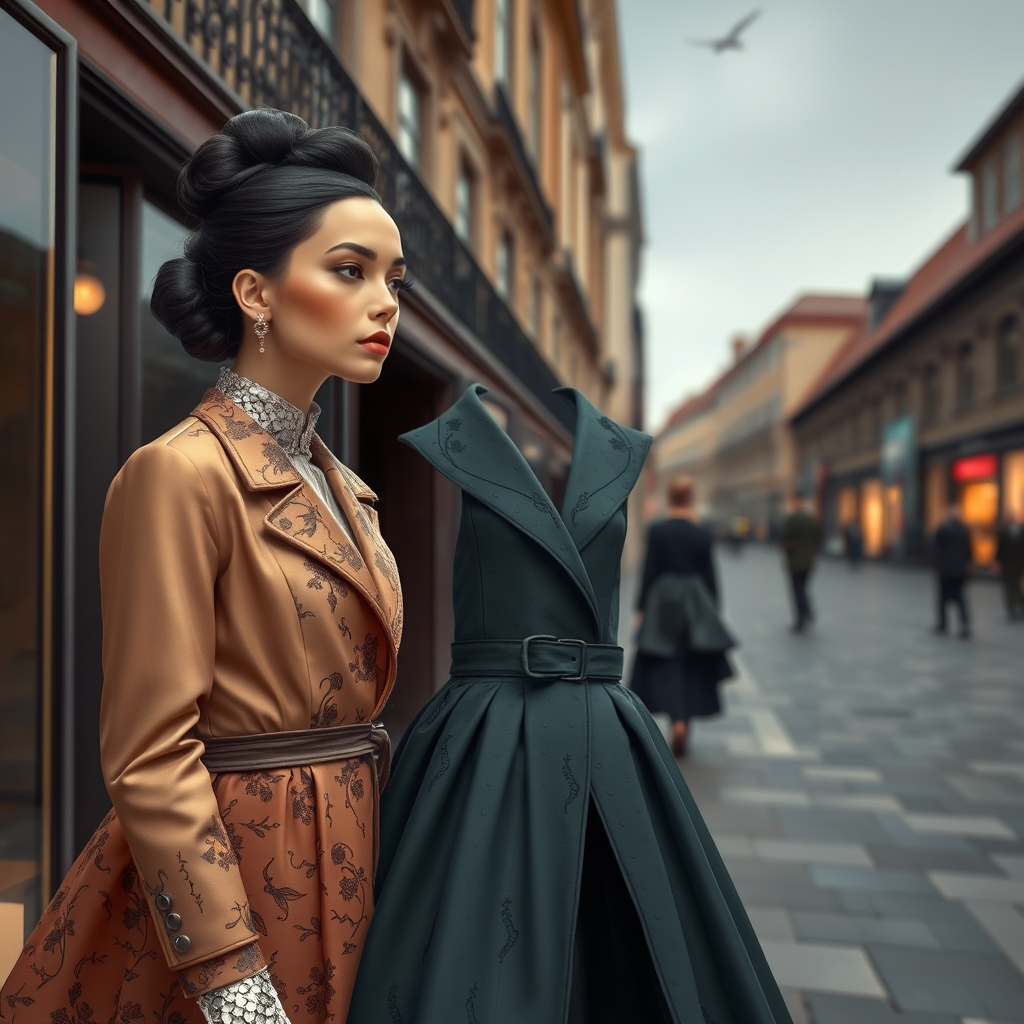
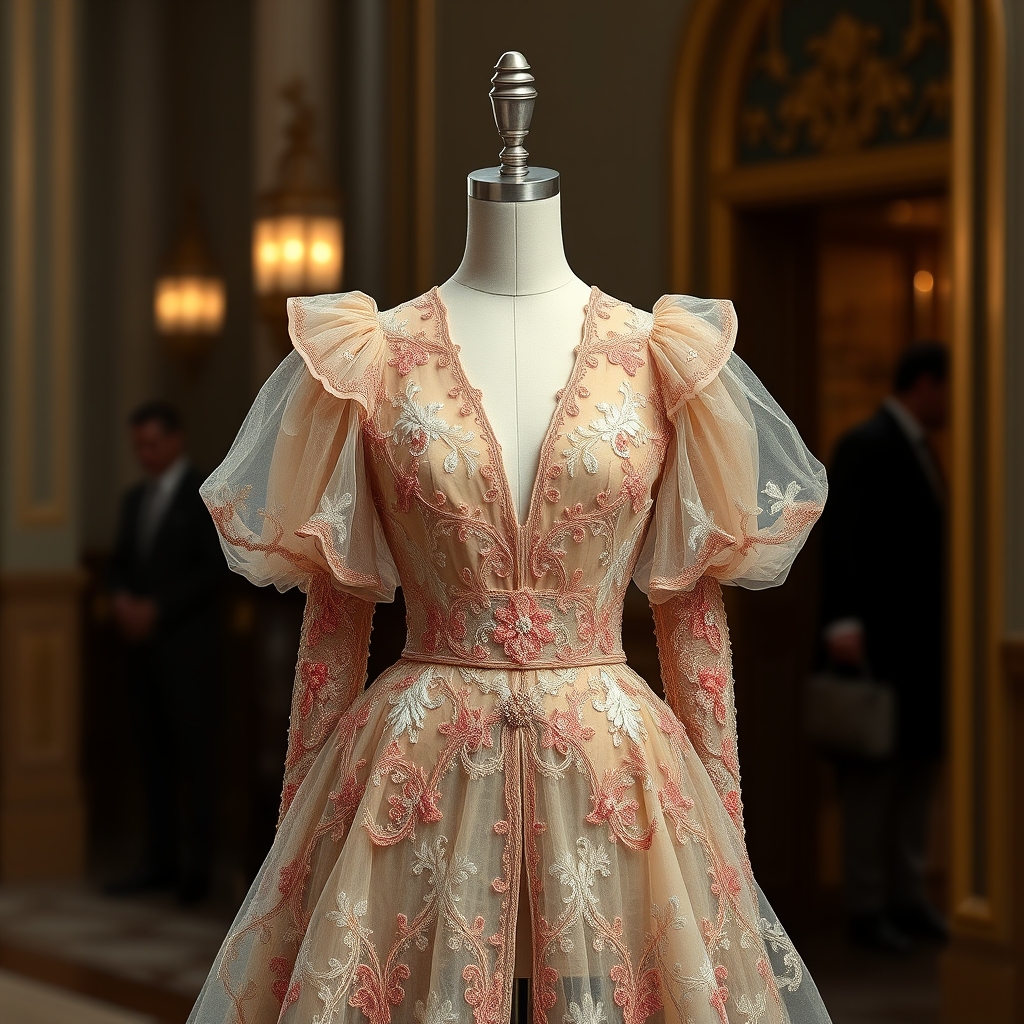
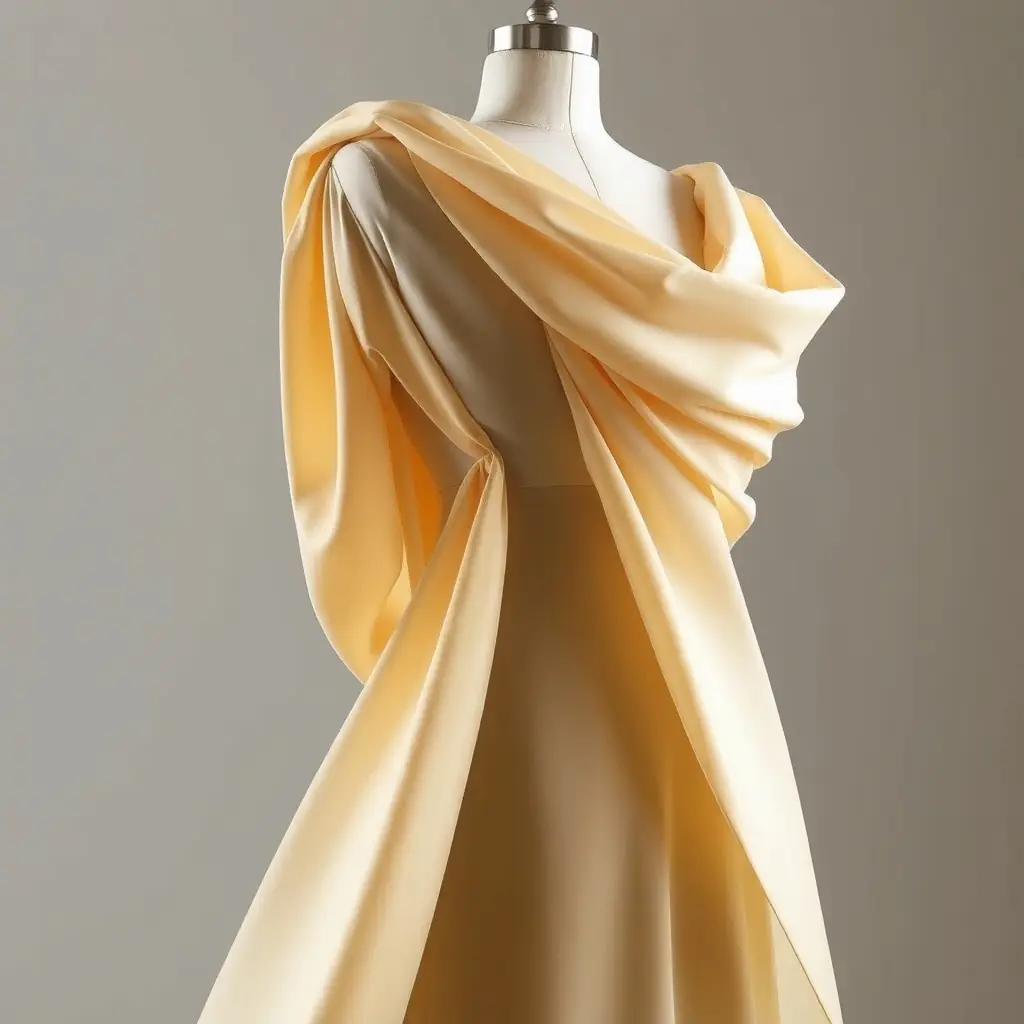
Haute couture isn't just a term tossed around lightly; it's about the artistry, the tradition, and the craft that turns fabric into dreams. One of the most iconic techniques used in haute couture is draping. This ancient method allows the designer to sculpt fabric directly onto a dress form, creating fluid silhouettes that are the epitome of elegance. Think of Madeleine Vionnet, who mastered this technique in the early 20th century and left an indelible mark on fashion history. Her work with the bias cut transformed simple fabrics into clinging, graceful gowns that seemed to defy gravity. Draping requires a keen understanding of fabric behavior and a sculptor's eye for form, making every drape a unique masterpiece. It's a skill passed down through generations in couture houses like Dior and Chanel, who uphold these time-honored methods. What I love about draping is its ability to adapt to modern styles while retaining its classic roots, influencing everything from red carpet looks to ready-to-wear collections. It's no surprise that many off-the-rack dresses today hint at draped elements, echoing the intricate folds and pleats that started in the salons of Paris.
Embroidered Elegance: A Journey Through Hand-Craftsmanship
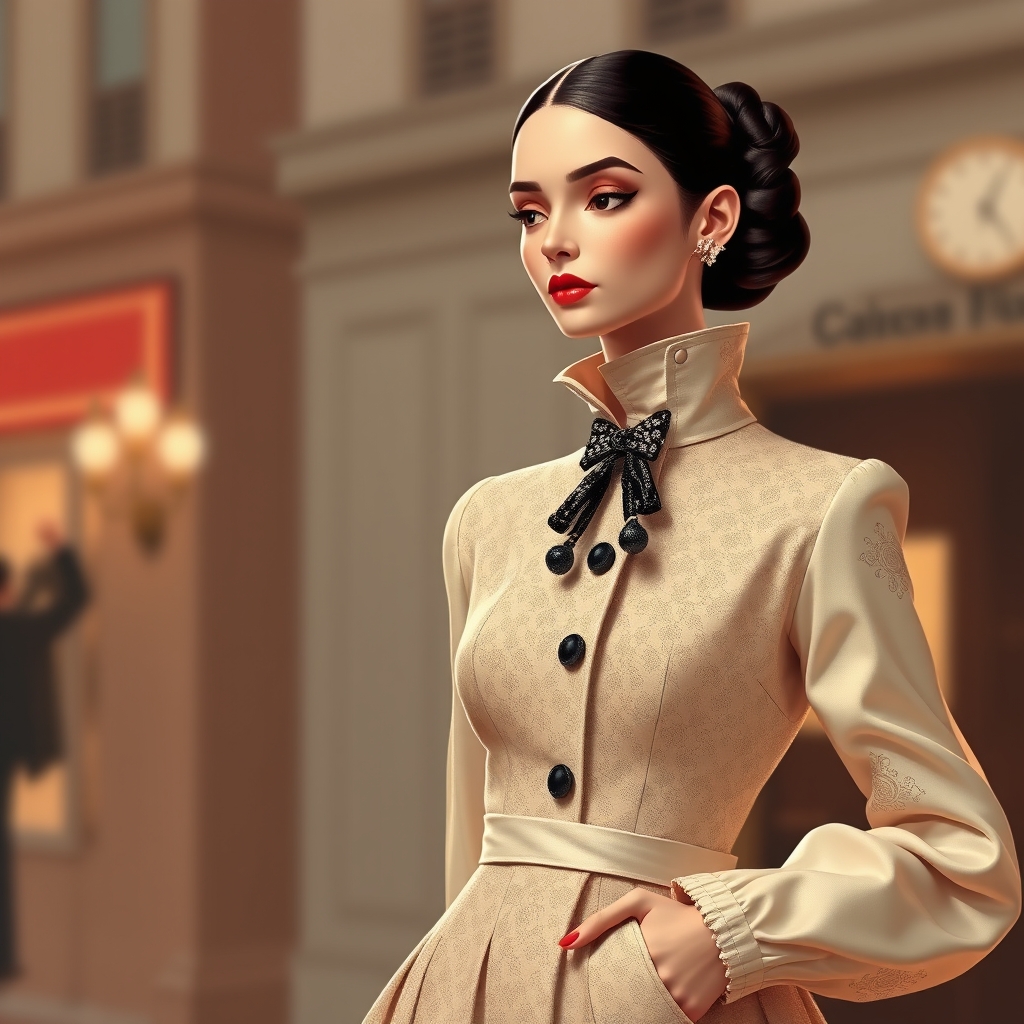
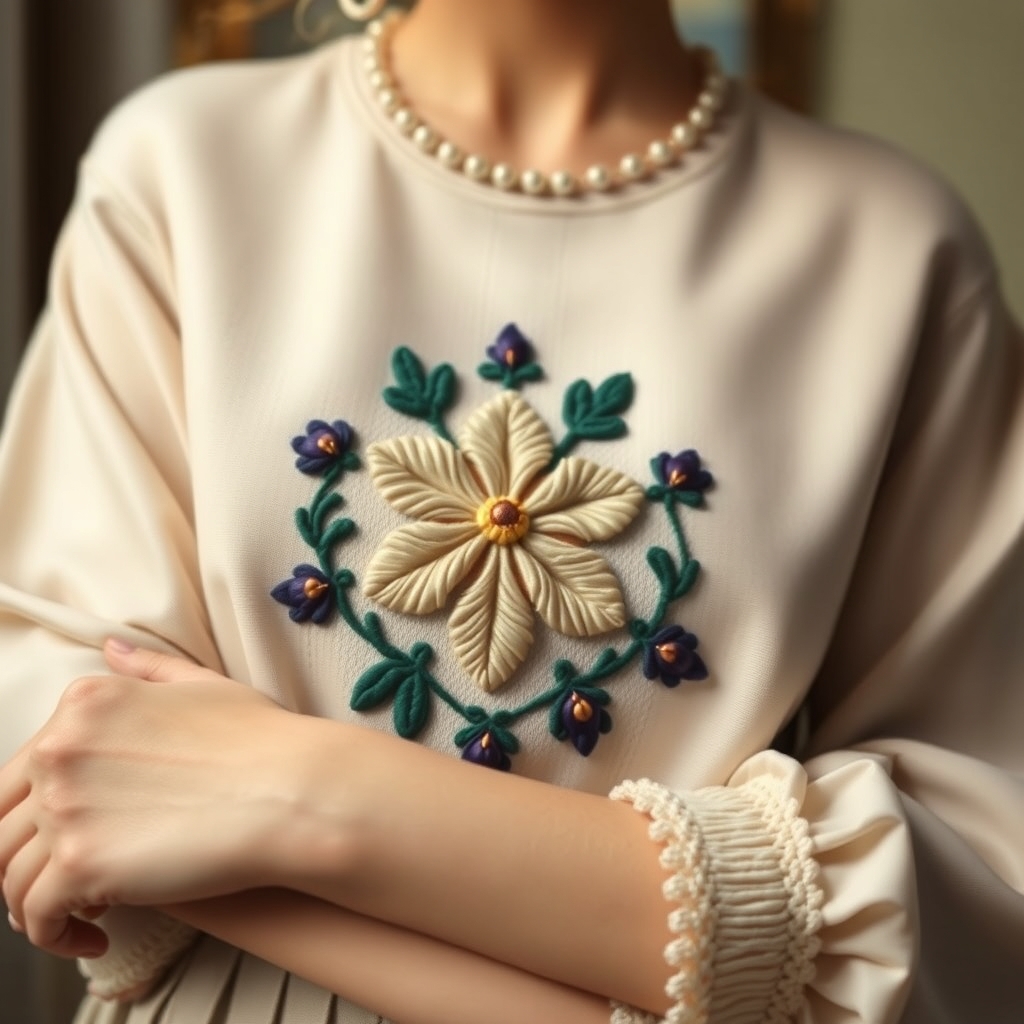
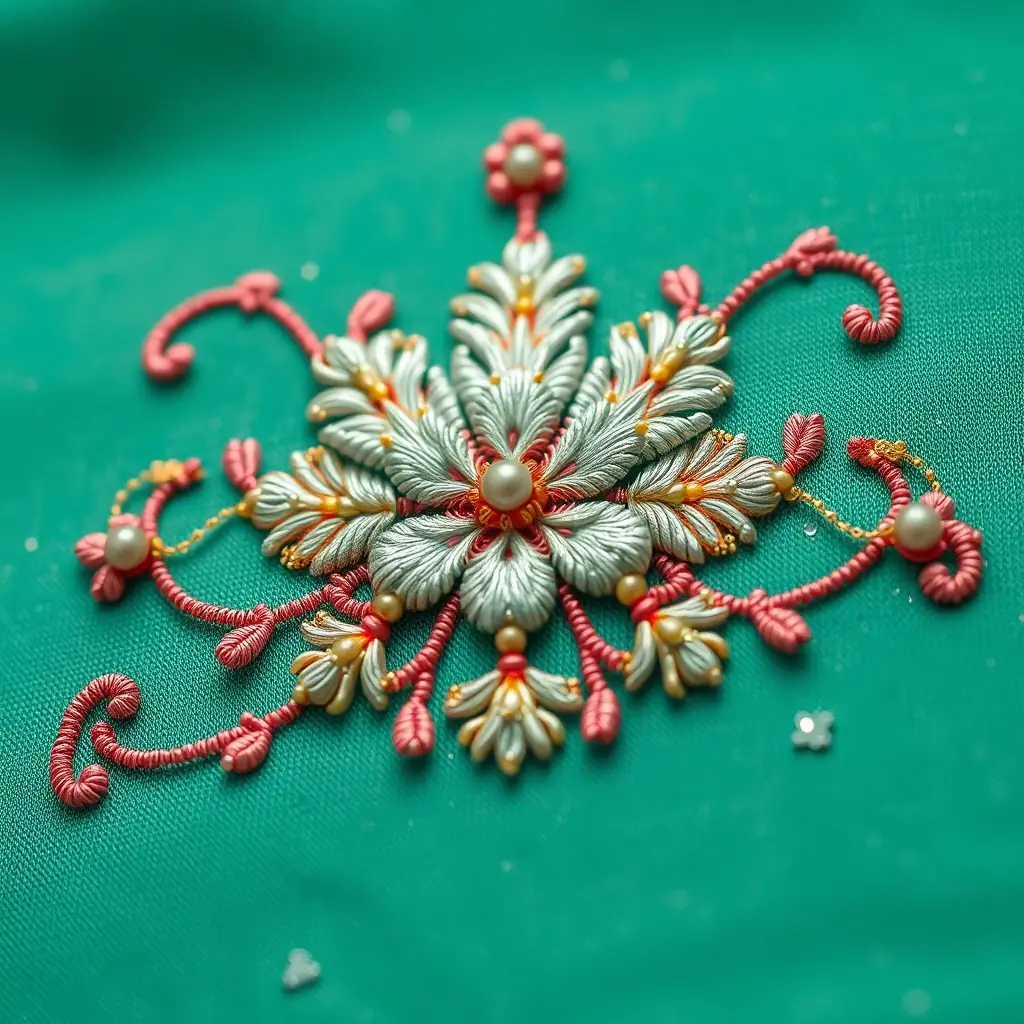
When you think of haute couture, hand embroidery is almost synonymous with it. This painstakingly meticulous craft can transform simple cloth into a tapestry of luxury and opulence. The likes of Balenciaga, Valentino, and Schiaparelli have all pushed the boundaries of embroidery, turning garments into wearable art. Embroidery's impact extends beyond couture—it influences mainstream fashion with its intricate patterns and rich textures. Whether it's beads, sequins, or thread, hand embroidery tells a story, giving depth and personality to garments. The House of Lesage in Paris, known for its virtuosic embroidery, is a testament to the timeless elegance these techniques bring to modern fashion. Though machine embroidery is prevalent today, there’s unmatched charm in garments touched by skilled hands. Owning or even just knowing about a piece crafted with such care changes your perception of clothing. Each stitch is a commitment, a moment frozen in time, connecting us back to centuries-old traditions. Embroidered accents, once the touchstones of elite fashion, now grace T-shirts and denim, proving that couture techniques have become universal language in fashion.
Legacy of Couture: Shaping Everyday Styles
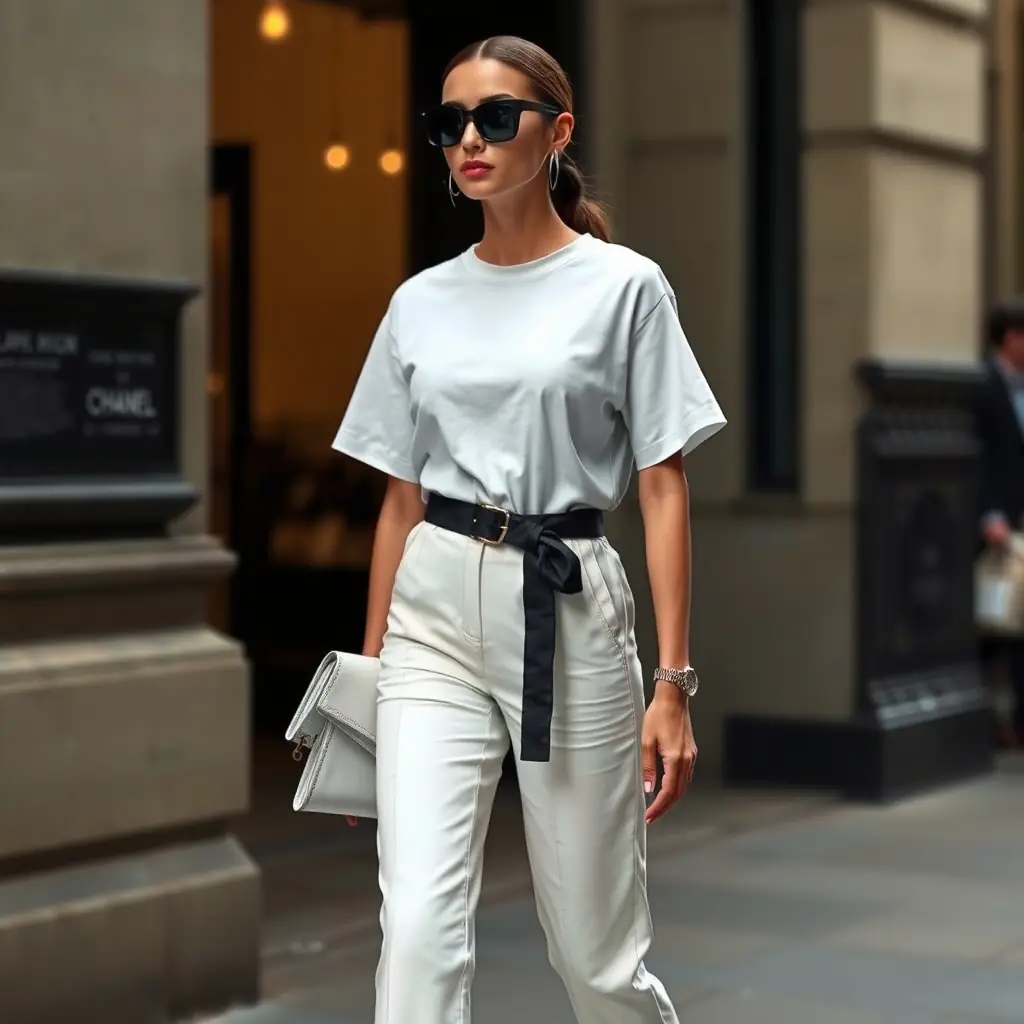
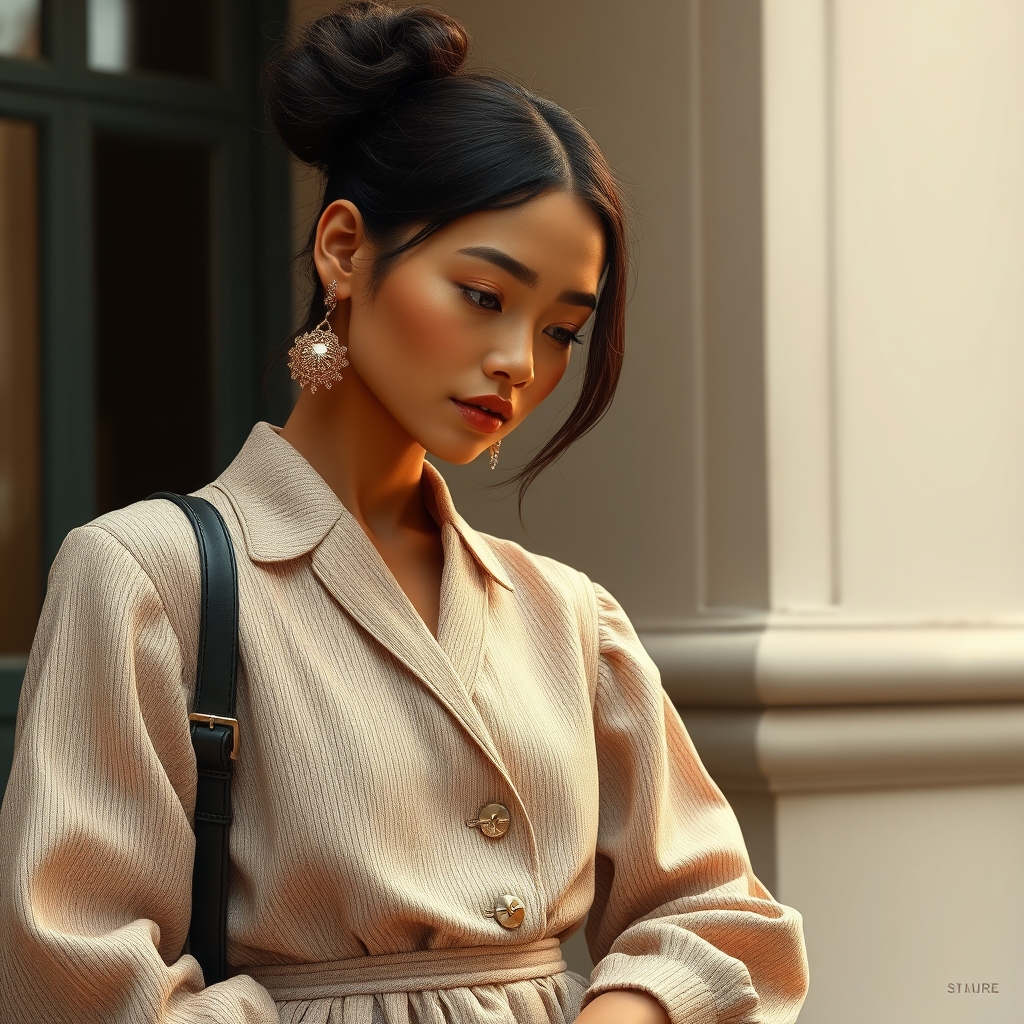
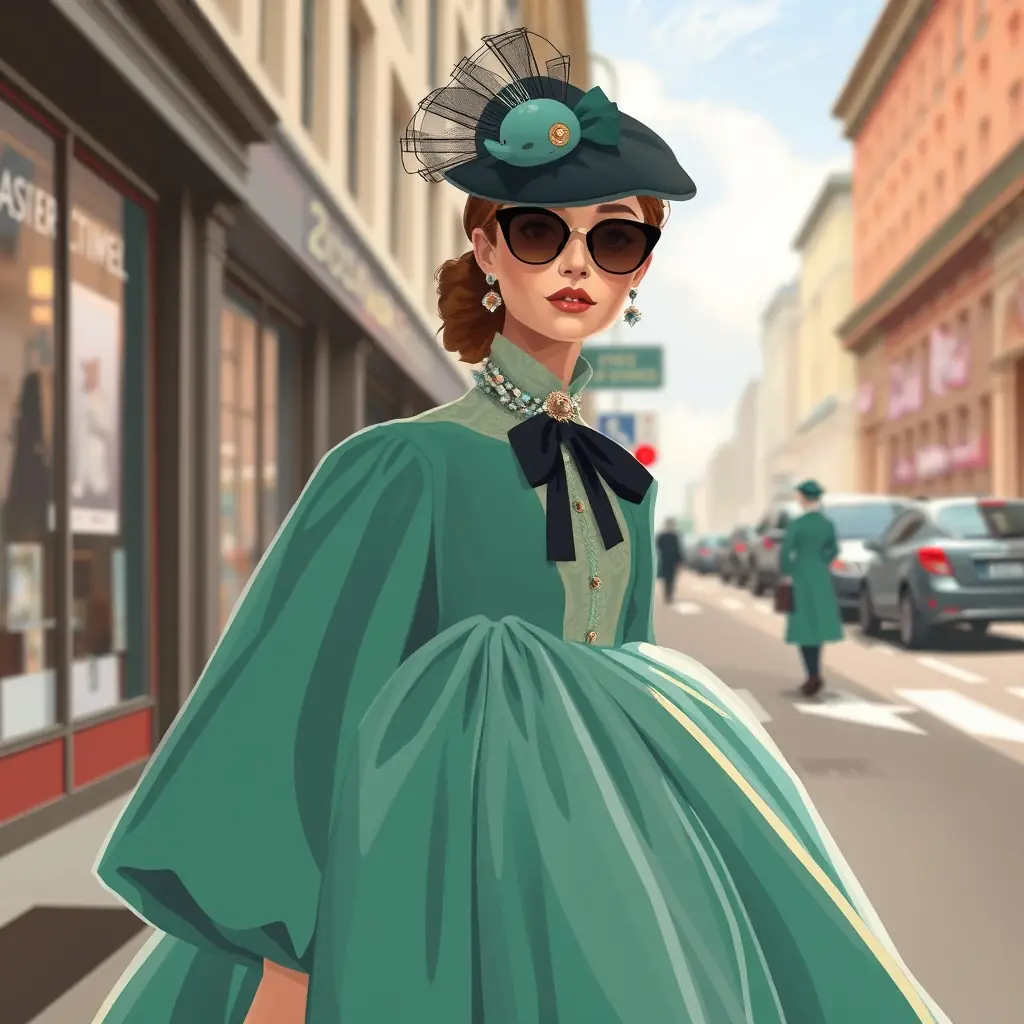
What fascinates me about haute couture is its quiet power over everyday fashion. While most of us aren't donning custom Chanel suits, couture still shapes the trends we see daily. Take the simplicity of the white T-shirt, elevated to iconic status by designers like Yves Saint Laurent, who showed its versatility by pairing it with tuxedo jackets. This cross-pollination between couture and ready-to-wear sparks innovation across the fashion spectrum. The craftsmanship seen in couture collections inspires everything from the fit of high-street jeans to the detailed finishing on a fast-fashion blazer. When we talk about genre-defining styles, like the 'New Look' by Dior in 1947, it's more than just a silhouette; it's a statement that lives on. Even today, fashion designers borrow from the extensive couture vocabulary, integrating precise tailoring, luxurious fabrics, and those tiny, unnoticed details that make a simple garment feel special. As a fashion enthusiast, I find it thrilling to see everyday styles bearing the fingerprint of couture heritage, a nod to a more glamorous art form that continues to evolve.