Evaluating Leather Bags for Longevity
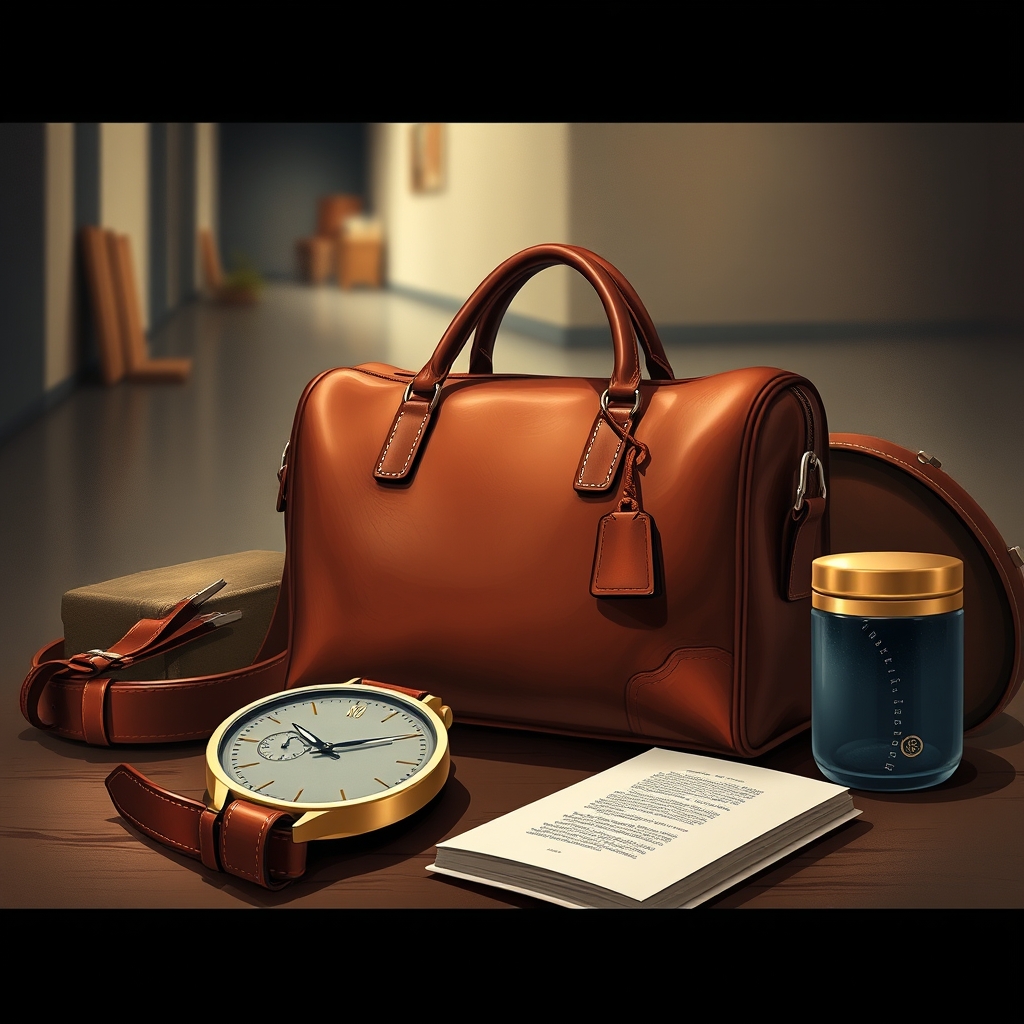
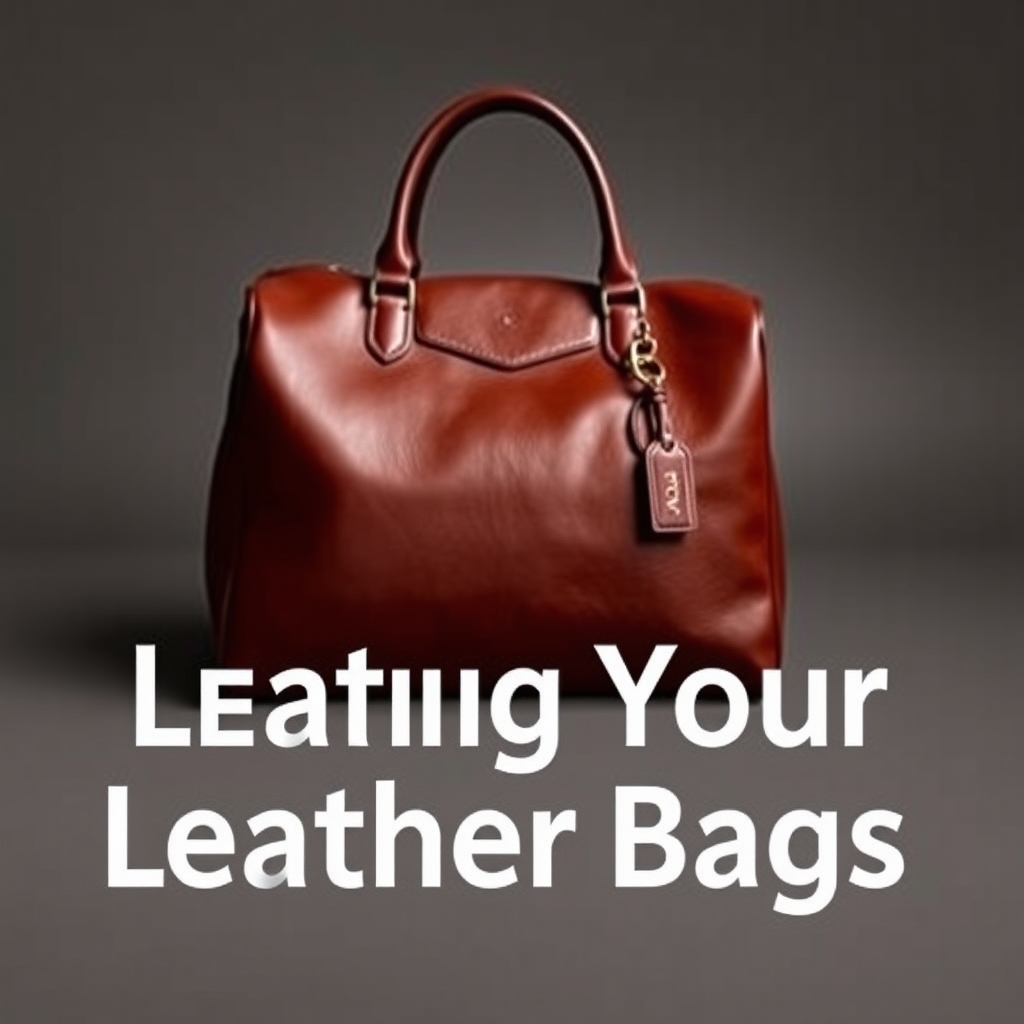
When it comes to leather bags, not all are created equal. Quality leather goods have certain hallmarks. First, check the stitching; it should be even, tight, and barely noticeable. Genuine leather bags exude a unique smell—not the overly chemical scent of faux leather. Feel the surface; it should be supple yet robust, characteristics typical of full-grain leather. This leather type maintains its natural character and is known for developing a beautiful patina over time. Flip the bag inside out to inspect the lining. Many high-end bags use materials like suede or microfiber, offering durability without excess bulk. Hardware, too, plays a role; zippers and buckles should move smoothly and appear solid, often crafted of polished brass or nickel. Finally, consider the craftsmanship: artisanal pieces will usually have a small imprint or signature. Though initial costs might seem high, a well-crafted leather bag ages with grace, offering years of reliable service with proper care. Always store it with a dust bag in a cool, dry place. Following these steps helps you pick a bag that’s more than just a purchase—it’s an investment in style and longevity.
Understanding Watch Craftsmanship and Care
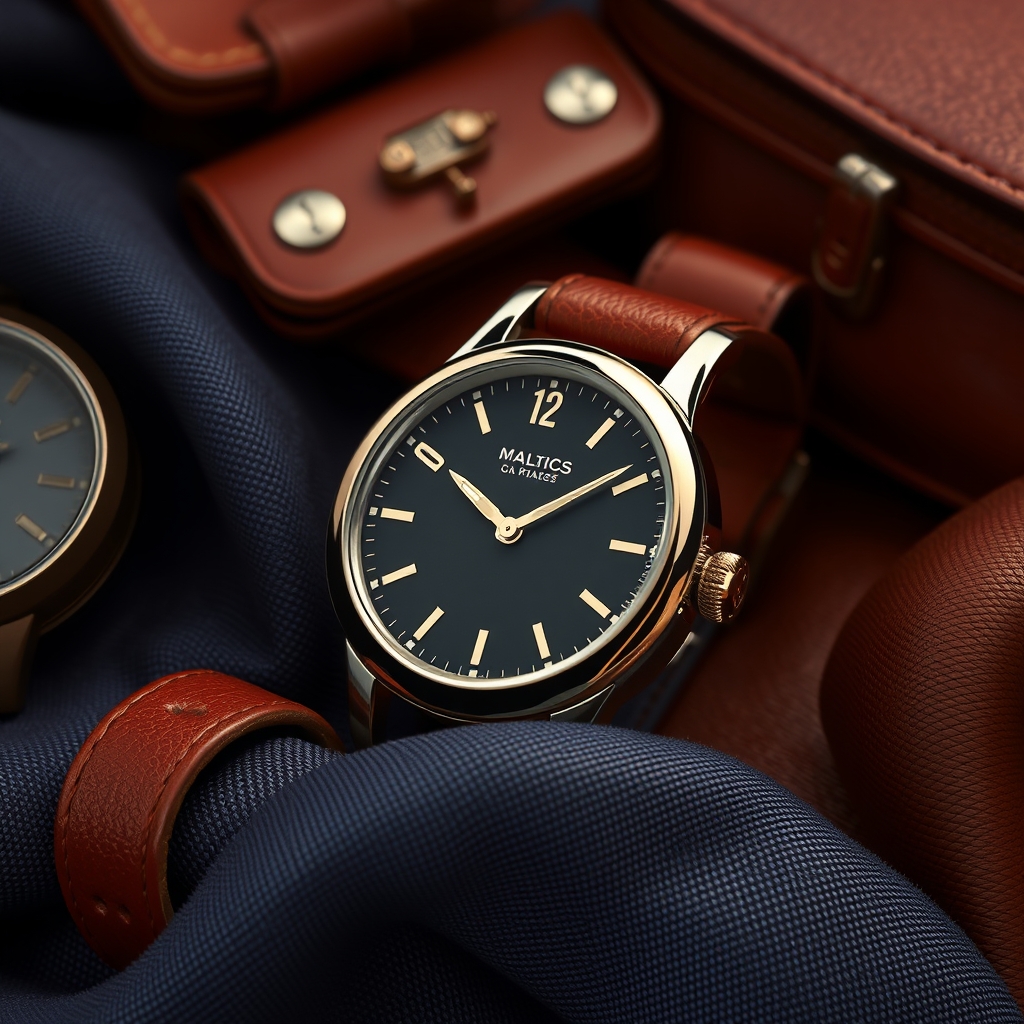
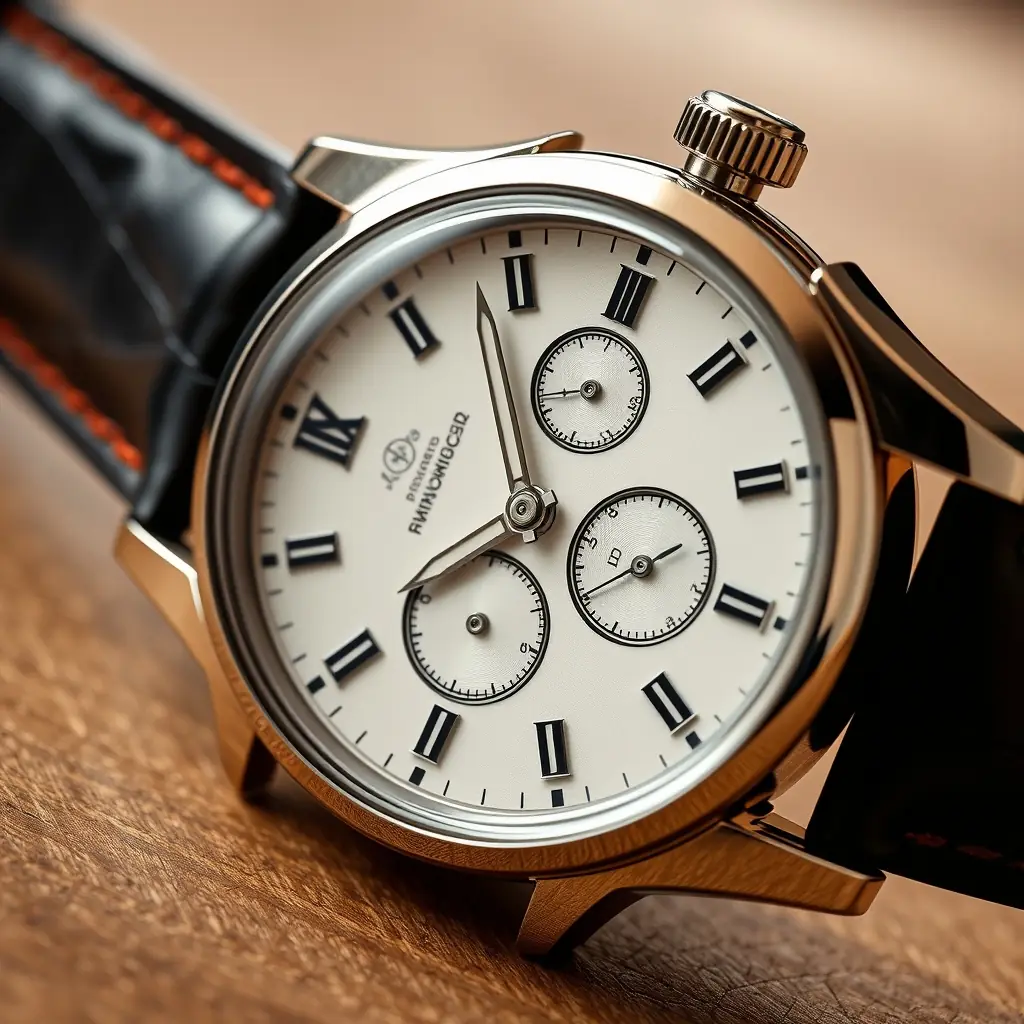
Watches are more than timekeepers; they’re wearable art. To discern tangible quality, start by inspecting the watch face. High-end watches commonly have sapphire crystal glass that resists scratches far better than mineral glass. Examine the movement inside; mechanical or automatic movements often feature meticulous detailing and are immensely valued over quartz. A transparent case back allows you to appreciate the complexity of these movements. High-quality watches have a smooth, precise sweep of the second hand, without the tick-tick of cheaper alternatives. For the strap, premium watches use genuine leather or metal links that feel weighty yet balanced on the wrist. Check for water resistance—geared more towards splash-proof for dress watches, whereas dive watches are designed to withstand significant pressure. Regular care includes professional servicing every 3 to 5 years to ensure longevity. Avoid polishing the case yourself, as it can damage the finish. Instead, wipe it with a soft, microfiber cloth to maintain its luster. Watches that are durable, beautiful, and technically advanced symbolize luxury, driving enthusiasts to view them as a testament to personal style and precision craftsmanship.
Investing in Timeless Fabrics
High-quality fabrics can elevate any wardrobe, offering both elegance and long-term wear. Fine fabrics like silk, cashmere, and wool have telltale signs of luxury. For silk, gently crumple it in your hand—real silk tends to absorb moisture quickly and will feel warm to the touch. Cashmere, often praised for its softness, should be visibly tightly woven or knitted. Run your hand over the garment; genuine cashmere feels smooth, not overly fuzzy—a result of short fibers likely indicative of lesser quality. Woolens like merino or alpaca, known for insulating yet breathable nature, should sit comfortably on your skin without irritation. Check for tightness in the knitting or weaving, a sure sign of durability. Timeless pieces often come in classic colors and cuts, allowing them to remain fashionable across seasons. Seek out garments with minimalistic embellishments, which prevents them from dating quickly. Professional dry-cleaning is recommended, but for fabrics like cashmere, gentle hand washing can extend life. When you invest in high-quality materials, and care for them properly, you’re not just keeping clothes—you’re preserving art that can span generations.