Caring for Leather Bags
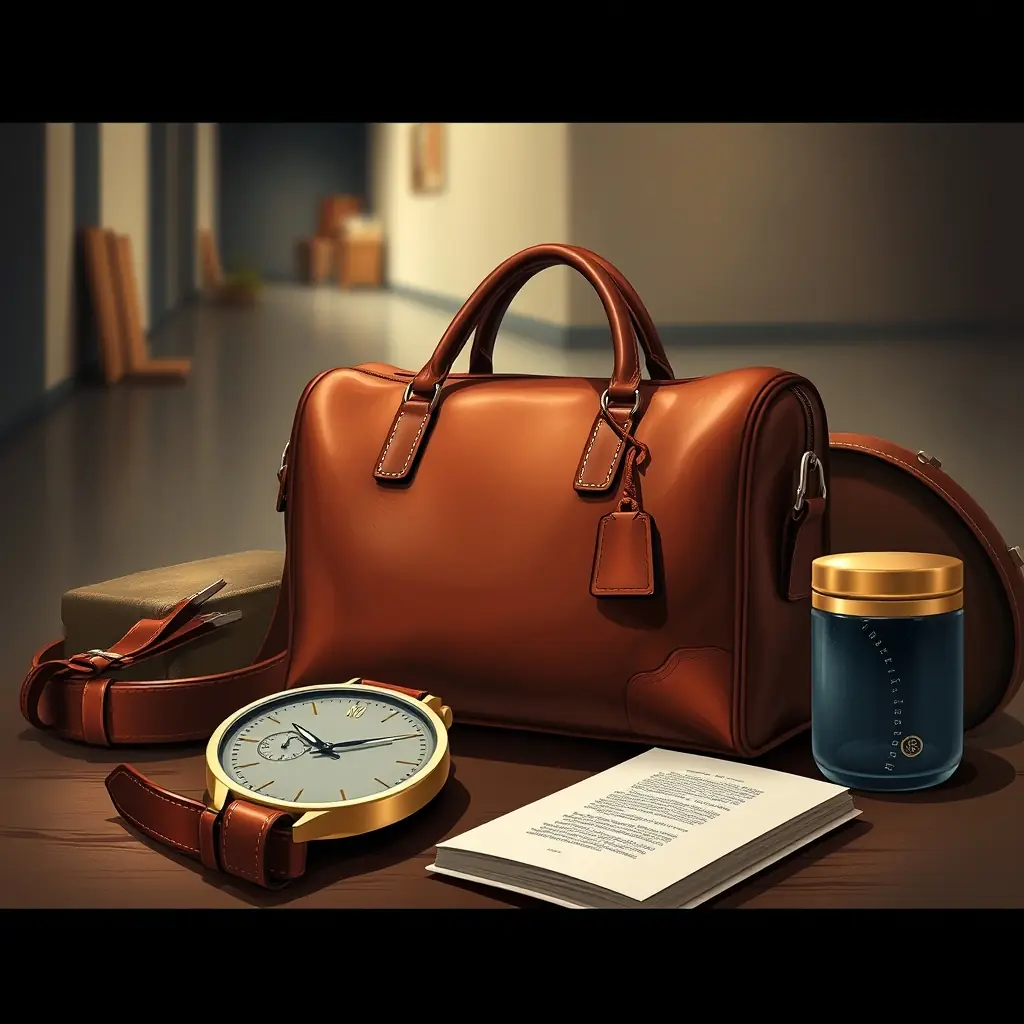
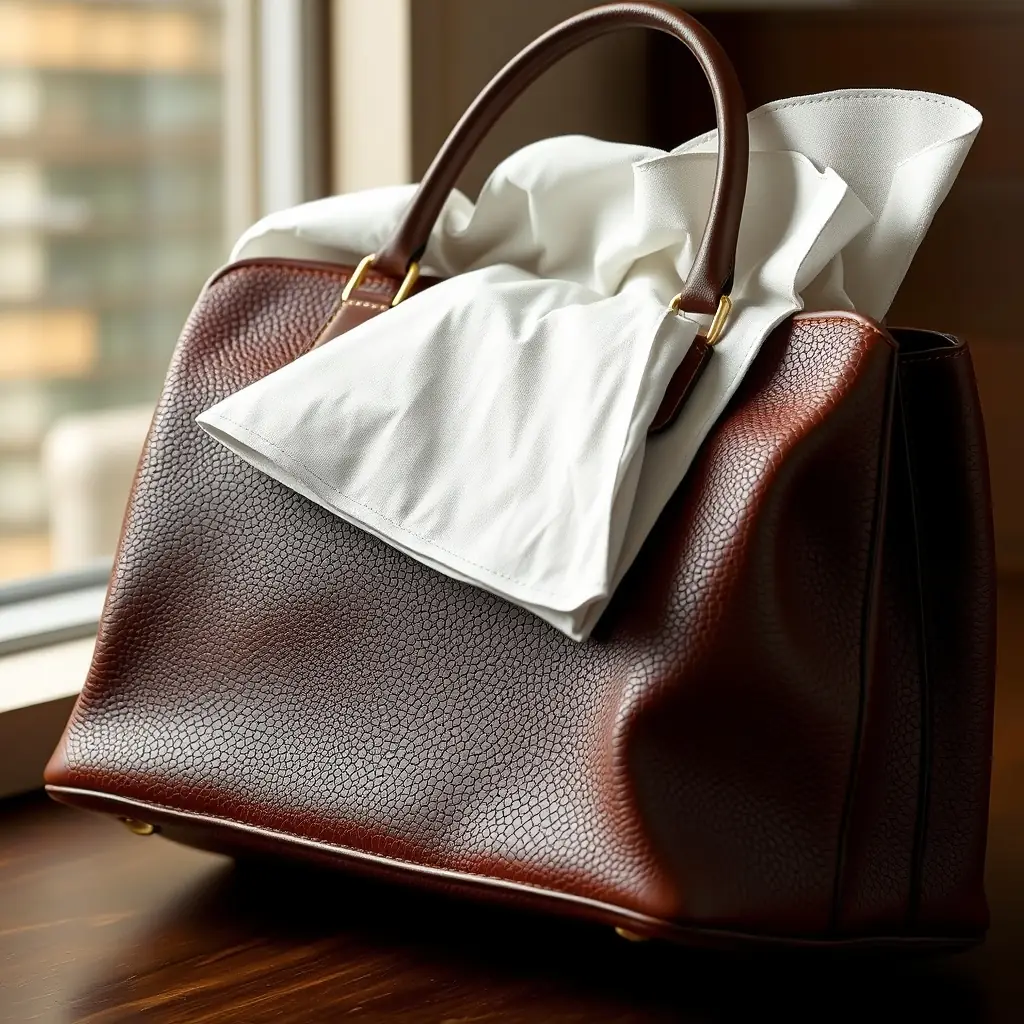
Leather bags are a staple in any luxury wardrobe, melding function with timeless elegance. But their longevity depends on proper care. The first step is cleaning: use a soft cloth and a dedicated leather cleaner, applying it in gentle, circular motions. Avoid using abrasive materials as they can scratch the leather’s surface. Conditioning is next. It’s crucial because leather can dry out, leading to cracks. Use a conditioner formulated for leather, massaging it into the bag to maintain suppleness and prevent drying. For storage, always keep bags in a dust bag and stuffed with tissue to maintain their shape. Don't hang them by their handles; it can stretch the leather. Be mindful of where you store them too; avoid humid places that can promote mold growth. It's also wise to rotate your bags regularly, giving each a rest and avoiding prolonged exposure to sunlight, which can fade and dry out leather. Lastly, professional cleaning should be a periodic indulgence; it provides a thorough cleanse and ensures any stains or potential issues are addressed before they worsen. By investing time in these steps, you extend the life of your cherished leather accessories while preserving their impeccable appearance.
Maintaining Watches with Care
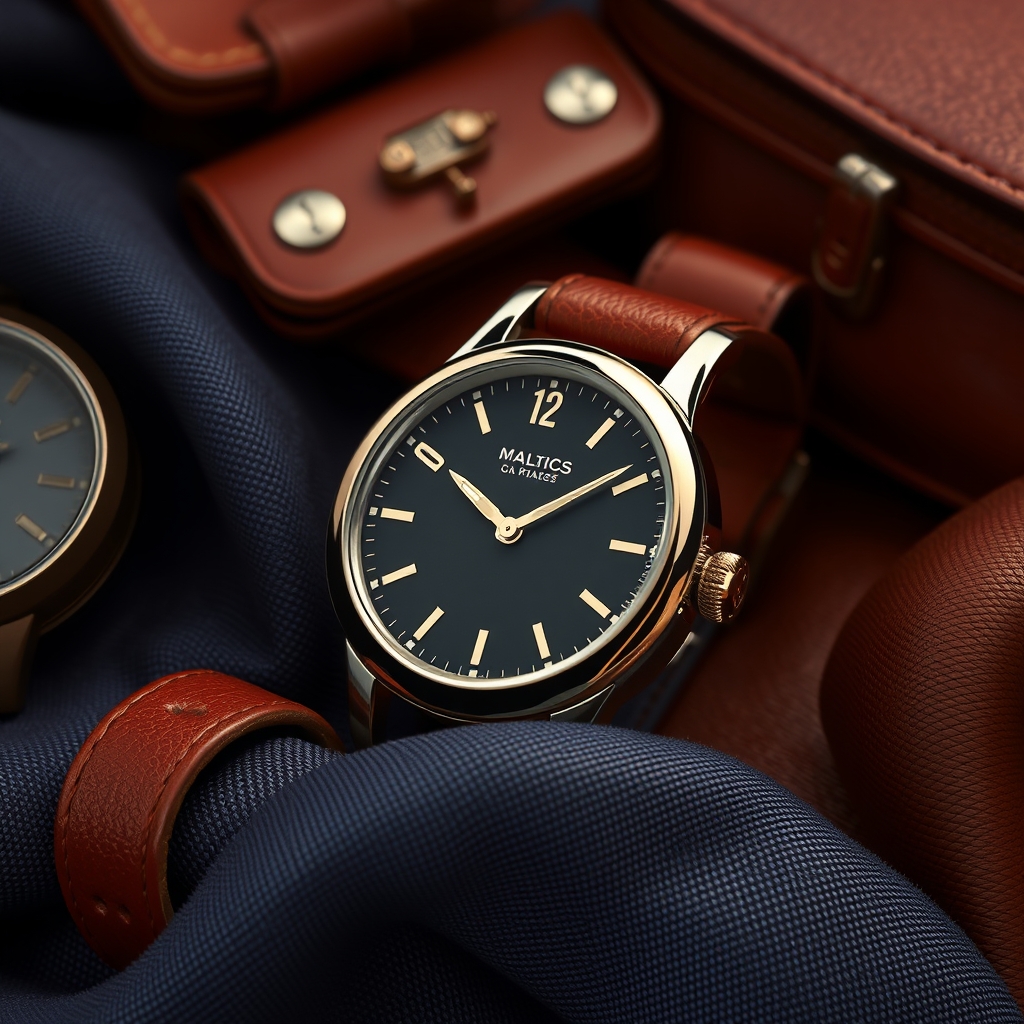
Watches, especially luxury timepieces, are intricate machines that require careful maintenance. To ensure accuracy and longevity, avoid exposing them to extreme temperatures or humidity, which can affect their mechanisms. Regularly wipe your watch with a microfiber cloth to remove dust and oils, especially if it’s worn daily. For metal bracelets, a soft brush and mild, soapy water can help remove stubborn grime. Be cautious with leather straps—keep them dry and clean with a specific leather cleaner to prevent deterioration. When not in use, store watches in a dedicated box; it protects them from unnecessary knocks and dust accumulation. If your watch is automatic, consider a watch winder, which keeps it running and prevents the oil inside from coagulating. Service your timepiece every few years by a certified professional. Just like a car, a watch’s interior mechanism needs inspection and lubrication to function correctly. If unsure about a problem, particularly with waterproofing, leave it to the experts. They ensure it remains as watertight as the day it was bought. Luxury watches are more than just timekeepers; they are heirlooms-in-the-making, demanding respect and routine maintenance.
Preserving Fine Fabrics
Fine fabrics like silk, cashmere, and linen are often the cornerstone of luxurious wardrobes, yet they require attentive care to ensure their splendor endures. Silk, with its delicate nature, is best washed by hand in cold water using a gentle detergent. Avoid wringing it out—press it lightly between towels to remove excess moisture. Cashmere should be stored folded, not hung, to preserve its shape and avoid stretching. When washing, use a mild cashmere shampoo and let it dry flat on a clean towel. Protect it from moths by using cedar blocks or lavender sachets, which is a natural deterrent. Linen, a breathable fabric, can often be machine washed, but always check the label first. It’s best air-dried to prevent shrinkage or distortion, and although it’s known for its wrinkles, a warm iron can help achieve a smoother finish. Quality craftsmanship is reflected in how these fine fabrics are constructed—examine the stitching and feel the texture. Buying pre-owned luxury garments extends the life cycle of fashion and is sustainable, but verify authenticity through professionals. By caring for these items thoughtfully, you extend their lifespan, ensuring they remain a part of your wardrobe for years.